
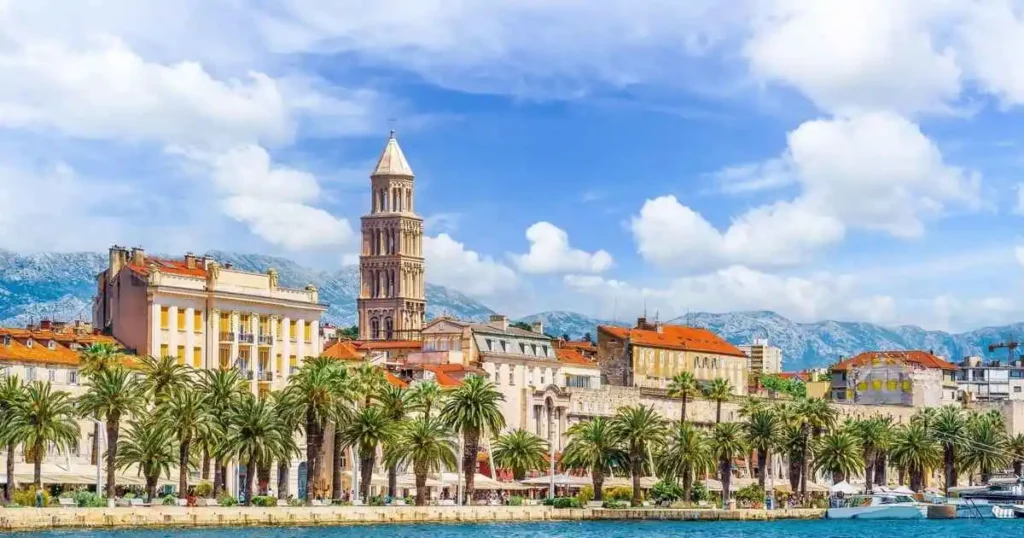
Split does not ease you in gently. You arrive expecting two similar Adriatic cities and discover they have almost nothing in common beyond the coastline. One is a living Roman city where locals still hang laundry above 1,700-year-old archways. The other is a medieval fortress so perfectly preserved it doubles as a film set.
The split vs dubrovnik debate is one of the most common questions for first-time Croatia visitors. This split vs dubrovnik guide breaks it down honestly across the categories that actually matter, cost, history, beaches, day trips, food and nightlife so you can stop second-guessing and book with confidence.
In this guide you will find:
- Cost comparison with real 2026 numbers
- Which city wins for history and beaches
- Best day trips from each city
- Who should choose Split and who should choose Dubrovnik
- Whether doing both makes sense
Quick Comparison
| Category | Split | Dubrovnik |
| Budget | ✅ Cheaper | ❌ 16% more expensive |
| History | Roman Palace 295 AD | Medieval Walls 13th century |
| Beaches | More options, sandy | Fewer, but scenic |
| Day Trips | ✅ Far better base | Limited |
| Nightlife | ✅ Best in Croatia | Limited |
| Food | ✅ More affordable | Michelin restaurants |
| Vibe | Local, real, energetic | Polished, cinematic, touristy |
Split vs Dubrovnik: Cost Comparison in 2026
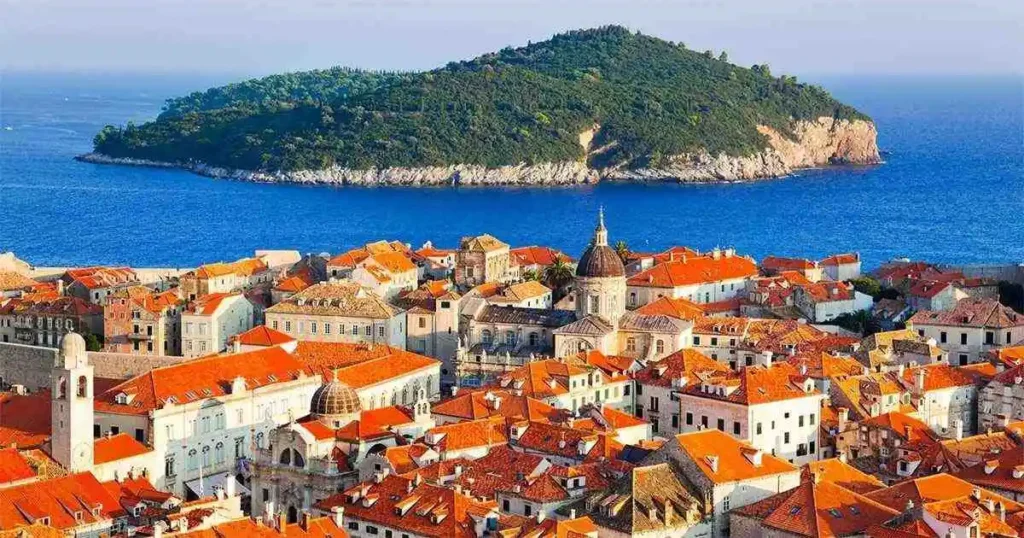
Dubrovnik is roughly 16 percent more expensive than Split overall. A one-bedroom apartment in the city center costs around $792 per month in Split versus $975 in Dubrovnik. That difference grows sharply in July and August when cruise ship demand pushes Dubrovnik accommodation prices to peak season highs.
Activities follow the same pattern. Walking Dubrovnik City Walls costs 40 euros for a standalone ticket. Most of Split main attractions Diocletian Palace courtyards, Marjan Hill, Bačvice Beach are completely free to access. Budget travelers will stretch their money significantly further in Split than in Dubrovnik. Verdict for split vs Dubrovnik on cost Split wins by a clear margin.
History and Old Town: Which City Has More
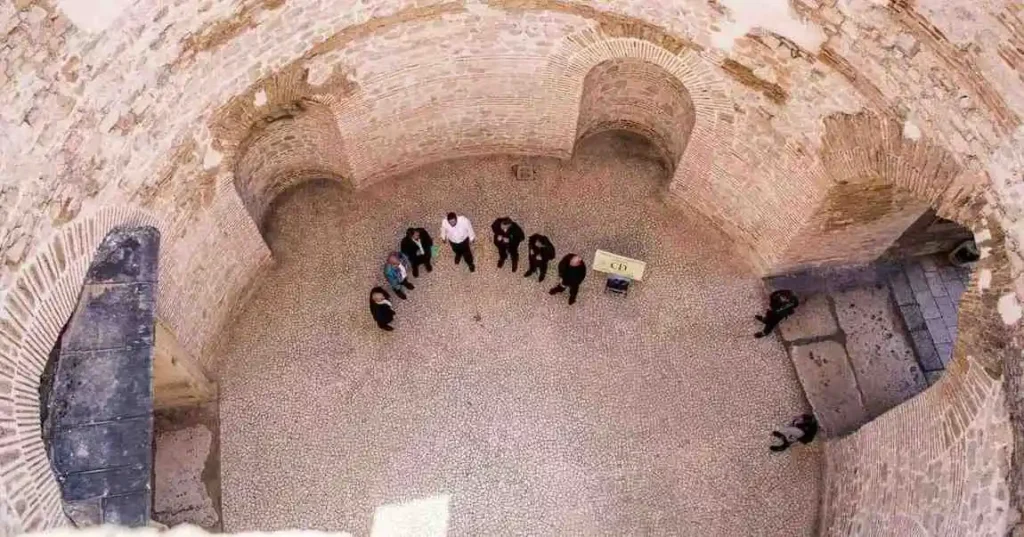
The split old town is built inside a Roman palace constructed in 295 AD. People still live there. Restaurants operate in what were once servants quarters. A cathedral sits inside the emperor mausoleum. Locals drink coffee in courtyards that Roman soldiers once patrolled. Nothing about it was built for tourists. It survived and adapted across 17 centuries of continuous use.
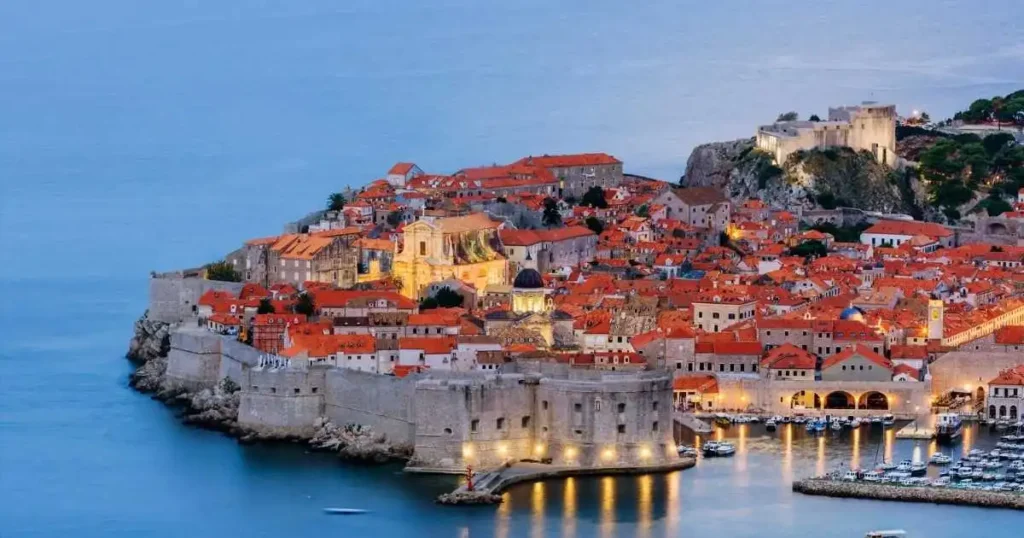
Dubrovnik old town is medieval, immaculate and genuinely jaw-dropping at first sight. The city walls date to the 13th century, rise 25 meters above the sea and frame views of the Adriatic that stop most visitors mid-step. It also served as King’s Landing in Game of Thrones. If you want cinematic old-town beauty, Dubrovnik delivers without question. If you want authentic daily life inside ancient ruins, Split is the answer. Verdict Tie depends entirely on what history means to you personally.
Beaches: Split vs Dubrovnik Compared
Split has more beach options within easy walking distance of the center. Bačvice is 10 minutes from Diocletian Palace and one of the few sandy beaches on the Dalmatian Coast. The shallow bay stays warm into October and is the only place in the world where locals play picigin, a traditional Croatian ball game in ankle-deep water that has been running on this beach for over 100 years. Kašjuni Beach on the west side of Marjan Hill is rockier and quieter with pine shade and cleaner water than the city beaches.
Dubrovnik has fewer beaches but more scenic ones. Banje Beach sits directly below the Old Town walls and the view of the medieval city rising above the water while you swim is one of the most photographed moments in all of Croatia. For variety and daily convenience, Split leads clearly. For that single postcard-worthy swim with a medieval backdrop, Dubrovnik is genuinely hard to beat. Verdict Split for variety, Dubrovnik for scenery.
Day Trips: The Clearest Split vs Dubrovnik Difference
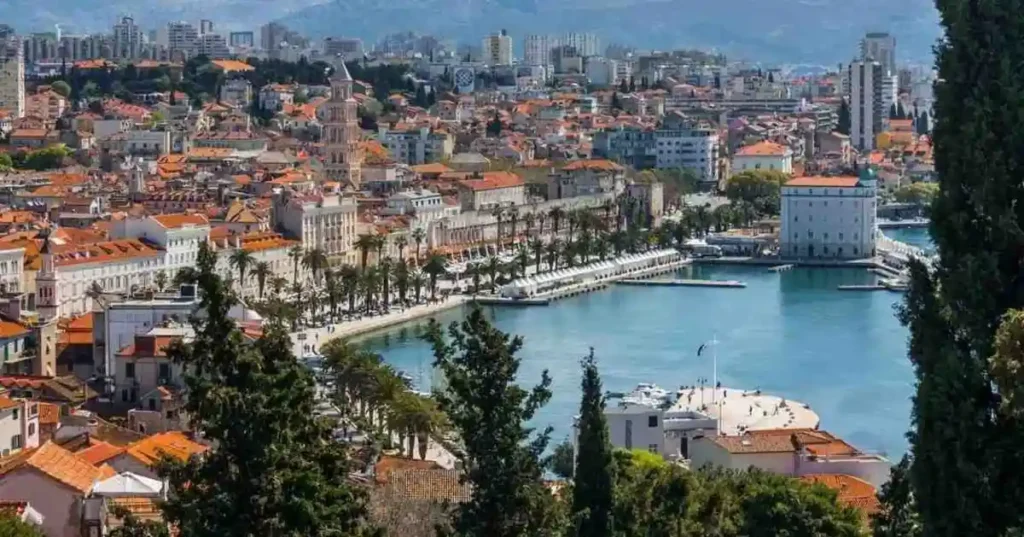
Split is the largest ferry port in Croatia. Ferries reach Hvar in 60 minutes, Brač in 50 minutes and Vis in 2 hours from the main terminal. Krka National Park is under an hour by car and one of the most rewarding day trips on the entire coast. Trogir, another UNESCO old town, is 30 minutes by bus for around 3 euros. As a base for exploring the region, Split gives you more options in every direction than almost any other city in the Mediterranean.
Dubrovnik sits at Croatia’s southern tip, which limits overland connections but opens different opportunities. Day trips to Kotor in Montenegro and Mostar in Bosnia are under 2.5 hours away and genuinely worthwhile. Lokrum Island is a 15-minute ferry ride. If island hopping and national parks are your priority, Split wins decisively. If cross-border day trips into the Balkans appeal to you, Dubrovnik is the better base. Verdict Split wins for day trips overall.
Food and Nightlife in Split vs Dubrovnik

Split has the best nightlife in Croatia. The Riva fills with people every evening in summer and bars stay open well past midnight. Local food is affordable ćevapi near the palace runs around 5 euros and a full grilled fish dinner at a konoba one street back from the waterfront costs 15 to 20 euros.
Dubrovnik has Michelin-recommended restaurants and a more refined dining scene but a similar dinner inside the Old Town walls costs 30 to 50 euros. For a special occasion dinner Dubrovnik delivers. For nightly eating and drinking without watching every euro, Split is the practical choice every time. Verdict, Split for nightlife and value, Dubrovnik for fine dining.
You may like also: Things to Do in Sedona: 12 Experiences Worth Every Mile of the Drive
FAQ’s
Is Split or Dubrovnik better for first-time visitors?
Split is the better first choice. It is more affordable, better connected for day trips and gives a more authentic picture of Croatian daily life. Dubrovnik works best as a two-night add-on at the end of a longer trip.
Can you visit both Split and Dubrovnik in one trip?
Yes, and most visitors do exactly this. The high-speed catamaran ferry takes around 4.5 hours between the two cities. A practical itinerary is 3 to 4 nights in Split followed by 2 nights in Dubrovnik.
Which is cheaper, Split or Dubrovnik?
Split is cheaper by roughly 16 to 20 percent across accommodation, food and activities. The gap widens further in peak summer months.
Is Dubrovnik worth visiting despite the crowds?
Yes, with planning. Check the cruise ship schedule online before arriving. On busy ship days visit the City Walls at 8am when they open or late afternoon when day-trippers have left.
Which city is better for families?
Split is the better family choice. More beach options, lower costs and easier access to day trips like Krka National Park make it more practical with children.
Final Thoughts
The split vs dubrovnik comparison does not have one universal answer and anyone who says split vs dubrovnik is simple has not spent enough time in both cities. Choose Split for authentic Croatian city life, island hopping, lower costs and the best nightlife on the Dalmatian Coast. Choose Dubrovnik for the most cinematic old town in Europe, fine dining and day trips into Bosnia and Montenegro.
If time allows, do both. Three nights in Split as your base, then the catamaran south to Dubrovnik for two final nights. That itinerary covers the best of the Croatian coast without compromise.