Most people think San Francisco is just the Golden Gate Bridge, fog and tech money. The moment you step off BART at Powell Street and hear a cable car bell clang up the hill, you realize this city works on a completely different frequency. Packed into 49 square miles, San Francisco holds more distinct neighborhoods, flavors and histories per block than almost any city in the US. This guide covers the top things to do in San Francisco with exact prices, best times and two hidden moves most visitors never make.
In This Guide You Will Find:
- How to visit Alcatraz for $47.95 and why you must book 60+ days early in summer
- The single best time of day to cross the Golden Gate Bridge on foot
- Which neighborhoods to walk through and which ones to skip for dining
- How to spend a full day in Golden Gate Park for under $15
- The one cable car line locals actually use and how to avoid a 45-minute wait
- A day trip from San Francisco that beats Napa for scenery and costs half as much
Quick Info
| Detail | Info |
| Location | San Francisco, California, USA |
| Nearest Airport | San Francisco International Airport (SFO) 14 miles south, ~30 min by BART |
| Best Time to Visit | September–October (warm, clear, fewer crowds) |
| Travel Time from LA | 1.5 hrs by flight / 6 hrs by car |
| Days Recommended | 3–4 days |
| Average Daily Cost | $150–$220 per person (mid-range) |
Top Things to Do in San Francisco: The Iconic Landmarks You Cannot Miss
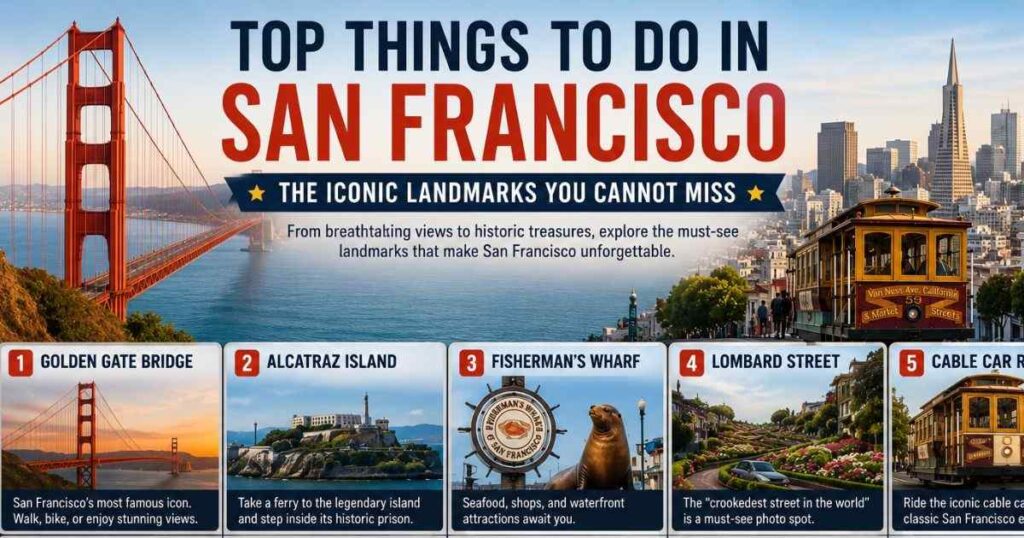
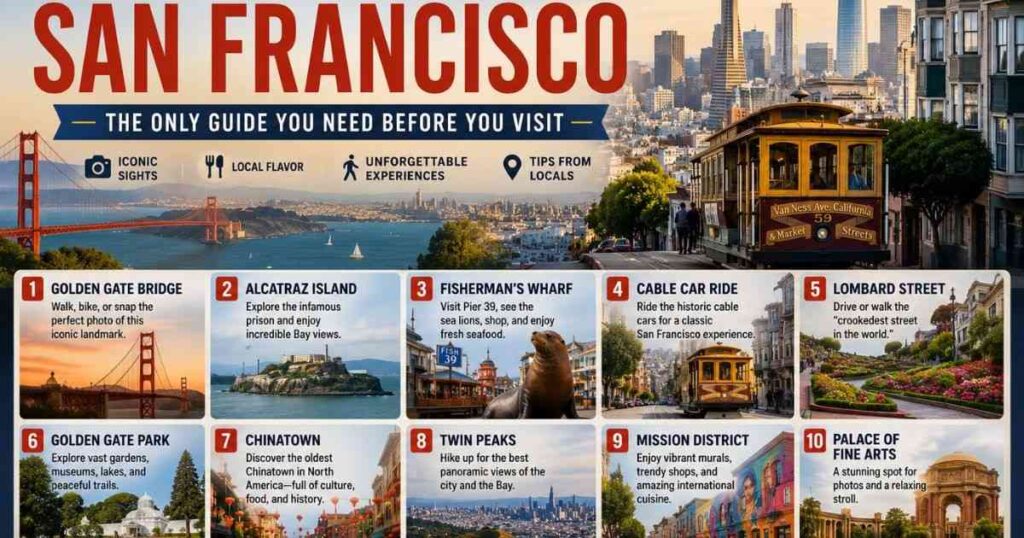
San Francisco’s most-visited landmarks earn every bit of their reputation. The Golden Gate Bridge stretches 1.7 miles across the bay entrance and the pedestrian walkway on the east side is free to walk any time. Cross it before 10 AM to beat tour groups and catch the sharpest light on the water below.
Alcatraz Island is the most visited landmark in San Francisco and one of the most iconic attractions on the West Coast. A day tour adult ticket costs $47.95, children aged 5–11 pay $29.15, seniors 62+ pay $45.15 and children under 5 enter free. The 15-minute ferry from Pier 33 includes an award-winning audio guide narrated by former inmates and guards, it runs 45 minutes and covers stories you will not find in any history book.
The best months to visit Alcatraz are January through March for fewer crowds or September through October for good weather with moderate crowds. If you go in July or August, tickets sell out 60–75 days in advance. Book the 8:45 AM first ferry and you will have the cellhouse to yourself before the midday crowds arrive.
The cable car is not just a tourist gimmick, it is a working transit system that has run since 1873. As of December 10, 2025, cable car fares are $9 per ride, with children under 4 riding free. Take the Powell–Hyde line: it passes Lombard Street, gives you a view of Alcatraz from the hill and drops you at Fisherman’s Wharf.
Pro Tip: Buy your Alcatraz tickets directly from cityexperiences.com third-party platforms add $6–$8 per ticket in markup fees.
Golden Gate Park and San Francisco’s Best Neighborhoods
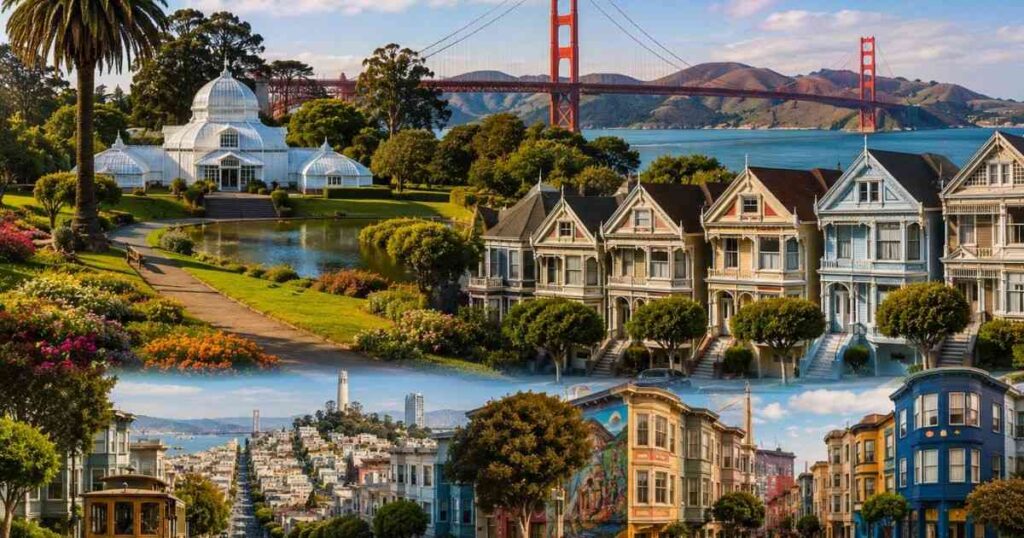
Golden Gate Park covers 1,017 acres and most visitors only walk through the main entrance near Stanyan Street. That is a mistake. The park houses the California Academy of Sciences, the de Young Museum, the Conservatory of Flowers and even a bison paddock, Shakespeare’s Garden and two windmills.
The California Academy of Sciences charges $55 for adults, $49 for youth 13–18 and $45 for kids 3–12. It holds the world’s only combined aquarium, planetarium, rainforest and natural history museum under one roof. The four-story living rainforest alone justifies the price. Most visitors don’t realize the Japanese Tea Garden inside the park offers free admission before 10 AM on Mondays, Wednesdays and Fridays.
The neighborhoods are where San Francisco’s personality lives. Walk through the Mission District on 24th Street and count the murals Balmy Alley alone has over 30 politically charged artworks on a single block. The Mission District boasts a diverse culinary scene, with taquerias and cafes reflecting its multicultural heritage. A burrito at a local taqueria on Mission Street runs $12–$15 and rivals anything in Mexico City.
Chinatown sits 10 minutes on foot from Union Square. San Francisco’s Chinatown is the oldest in North America, filled with traditional herbal shops ornate temples and authentic eateries. Skip the tourist shops on Grant Avenue and turn onto Waverly Place. That one-block alley holds three temples stacked on top of each other.
Pro Tip: Enter Golden Gate Park from the Fell Street side on a Sunday. JFK Promenade is car-free and you will find rollerskaters, cyclists and live drum circles that no tour guide mentions.
Best Day Trips from San Francisco and Outdoor Activities
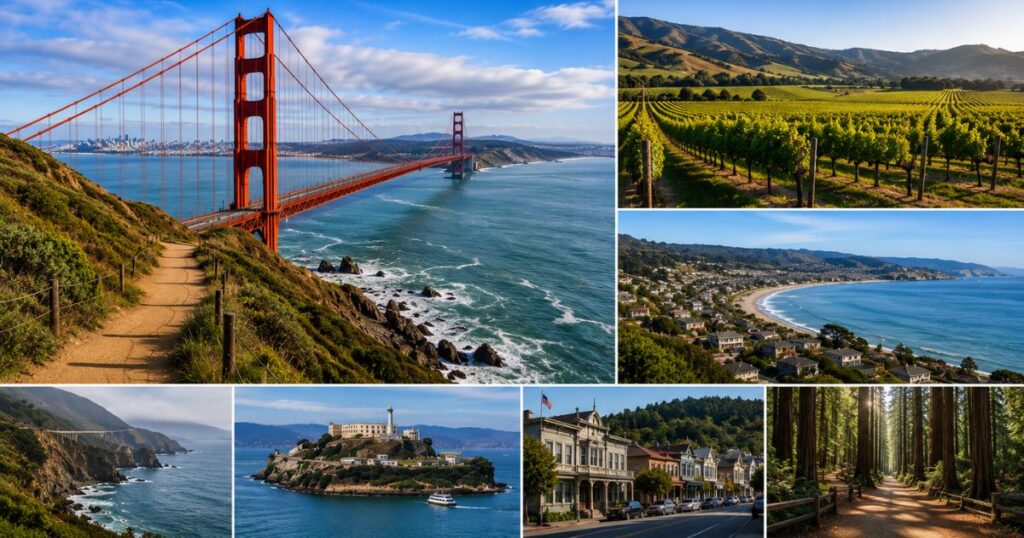
San Francisco sits at the center of one of the most accessible outdoor playgrounds in North America. The top things to do in San Francisco extend well beyond the city limits and the best one takes just 30 minutes.
Muir Woods National Monument is 17 miles north of the city roughly 45 minutes by shuttle from the Sausalito Ferry Terminal. The old-growth coast redwoods here reach 250 feet tall and some are over 1,000 years old. Entry costs $15 per adult and the Dipsea Trail loop through the Cathedral Grove takes about 90 minutes. Compare this to Napa Valley day trips, which run $150+ for wine tours alone Muir Woods gives you more for a fraction of the price.
If you want water, rent a kayak at Fisherman’s Wharf for around $35 per hour and paddle around the bay with the bridge overhead. The view of the city from the water looks entirely different from any postcard you have seen. Most visitors don’t realize you can swim at Aquatic Park Cove, a protected lagoon directly behind Ghirardelli Square, locals do laps there in wetsuits year-round.
The Presidio offers 2,500 acres of trails, historic military buildings and open views of the bridge from Battery Spencer, the best free Golden Gate Bridge viewpoint. The Presidio Visitor Center sits at 210 Lincoln Boulevard, San Francisco 94129. Walk the Batteries to Bluffs Trail in the morning and you will often have the cliffside path entirely to yourself.
Pro Tip: Take the ferry from the Ferry Building to Sausalito ($15 one-way) instead of driving you arrive with a view of the city skyline that no road gives you and the town sits just a 3-minute walk from the dock.
Practical Tips for Visiting San Francisco: Getting Around, Costs and What to Avoid
Knowing the top things to do in San Francisco is half the work. Getting around efficiently without wasting $40 on Ubers is the other half. San Francisco is only 7 miles square and BART connects SFO airport to downtown in 30 minutes for $11. The Muni Metro covers most neighborhoods for $2.50 per ride.
Avoid driving. Parking in Union Square garages runs $35–$50 per day, traffic on Van Ness Avenue moves at walking pace during rush hour and most attractions are within a 20-minute walk of each other in central SF. The city’s hills make some routes longer than they look on a map. 6 blocks uphill on California Street takes 12 minutes, not 4.
For food, skip the touristy crab shacks on Fisherman’s Wharf, a Dungeness crab cocktail at Pier 39 runs $22 and the quality drops compared to the Ferry Building. At the Ferry Building Marketplace, you will find local oysters from Hog Island for $3 each on the half shell and fresh sourdough from Acme Bread for $8 a loaf. Every Saturday morning, the Ferry Building Farmers Market runs from 8 AM to 2 PM with 30+ vendors.
September and October give you the clearest skies, warmest temperatures (65–72°F) and the thinnest crowds. June brings Karl the Fog the city’s famous marine layer that can keep temperatures at 55°F well into July afternoons. If you visit in June, pack a jacket you can layer over a t-shirt because the temperature can drop 15 degrees in under an hour.
Most visitors don’t realize the SF MOMA on 3rd Street offers free admission on the first Thursday of each month after 6 PM. SFMOMA holds 33,000 works of art across seven ticketed gallery floors, plus a large area of public space filled with art that is free to the public.
Pro Tip: Download the MuniMobile app before you arrive for $20 and you can tap onto any cable car, bus or metro without hunting for coins or queuing at a machine.
“Planning more Hawaii day trips? Our guides on things to do in big sur, pacific coast highway road trip and north beach san francisco cover the rest of the region in detail.”
Frequently Asked Questions
How many days do you need in San Francisco?
Three days covers the essential top things to do in San Francisco Alcatraz, the Golden Gate Bridge, Golden Gate Park and two or three neighborhoods. Four days lets you add a day trip to Muir Woods or Sausalito and explore the Mission District properly. Five days or more suits travelers who want to visit multiple museums, take a Napa Valley excursion and eat through the city’s best restaurants.
Is San Francisco worth visiting for first-time US travelers?
San Francisco rewards visitors who go beyond the postcard highlights. The city’s neighborhoods the Mission, North Beach, Hayes Valley and the Castro each carry a distinct culture and food scene that you will not find duplicated anywhere else in California. First-timers often rank Alcatraz and the cable cars as highlights but locals consistently point to the Ferry Building on a Saturday morning as the single most San Francisco experience in the city.
What is the best time to visit San Francisco?
September and October are the best months to visit San Francisco. These months offer the most reliably warm and sunny conditions, with crowds thinning slightly compared to peak July and August. Daytime temperatures sit between 65–72°F, fog is rare and Alcatraz tickets are easier to get than in summer. Avoid June through mid-August if fog bothers you the marine layer rolls in most mornings and can last all day.
Is San Francisco expensive for tourists?
San Francisco sits among the top five most expensive US cities for visitors. A mid-range restaurant dinner runs $25–$45 per person without drinks and hotel rooms near Union Square average $220–$350 per night. Budget travelers can cut costs significantly: the Japanese Tea Garden is free before 10 AM on select days, SFMOMA has a free evening on the first Thursday monthly and Dolores Park costs nothing. Daily costs range from $80 (budget) to $300+ (comfortable mid-range with Alcatraz and one museum).
Is San Francisco better than Los Angeles for a first visit to California?
San Francisco and Los Angeles serve completely different trips. San Francisco is compact and walkable. You can cover four neighborhoods in one day on foot. Los Angeles requires a car and spreads 40+ miles between its main attractions. San Francisco wins for history, architecture and concentrated food culture. Los Angeles wins for beaches, entertainment and sunshine consistency. If you have one week in California, spend three nights in San Francisco and four in Los Angeles the BART and Amtrak Coastal Starlight connect the two cities in 11 hours overnight.
Conclusion
The top things to do in San Francisco reward travelers who move slowly and dig past the surface. The Golden Gate Bridge is iconic for a reason but so is the hour you spend at the Ferry Building on a Saturday morning, eating a warm croissant while watching the bay turn gold. Plan your Alcatraz ticket purchase 60–90 days before you arrive in summer. Walk the Golden Gate pedestrian path before 9 AM for clear skies and no crowds. And on your last evening, take the ferry from Pier 41 to Sausalito, sit on the back deck and watch the San Francisco skyline shrink as the boat pulls into the open bay.