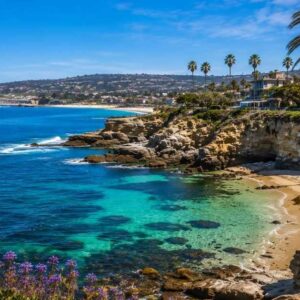
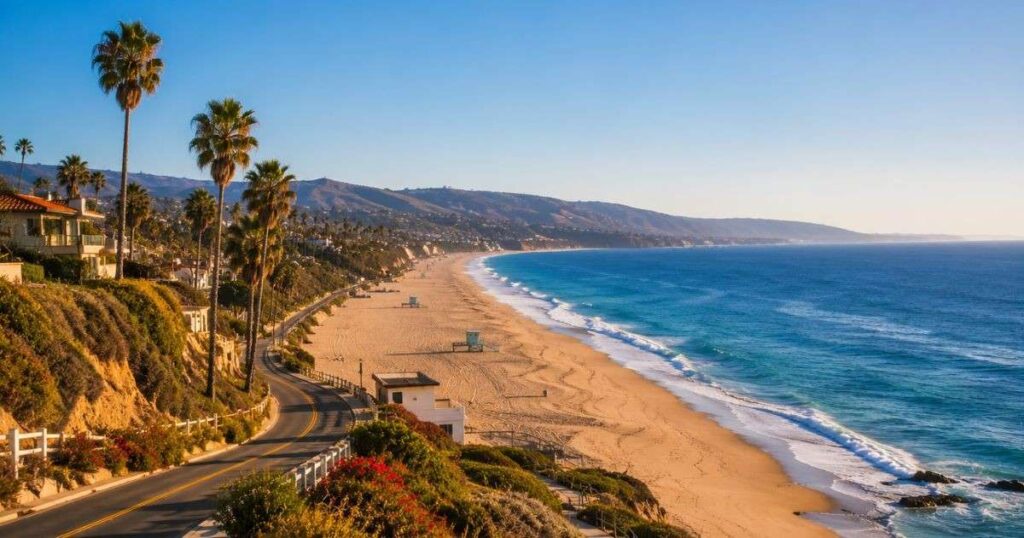
Los Angeles has 75 miles of coastline and most tourists spend all of it at Santa Monica Pier. That is a mistake. The best beaches in Los Angeles span from the rocky sea caves of Malibu in the north to the calm family waters of Redondo Beach in the south and the most photogenic, least crowded and most surprising ones sit miles from the pier. This guide covers eight beaches by type and purpose, with exact parking costs, surf lesson prices and the one local detail per beach that most visitors walk right past.
In This Guide You Will Find:
- Why El Matador State Beach ($10 parking) beats every other Malibu beach for photographers
- The exact months when LA beach water temperature peaks for swimming
- Why Manhattan Beach draws fewer crowds than Venice but delivers stronger surf
- A free cliff viewpoint above the Pacific that 90% of Santa Monica visitors never find
- Which beach works best for families with young children and why Redondo wins that category
- How to park at El Matador for free using street parking on PCH southbound
Quick Info Box
| Detail | Info |
| Location | Los Angeles County, Southern California, USA |
| Nearest Airport | LAX 3 miles from Venice Beach, 5 miles from Manhattan Beach |
| Best Time to Visit | March–May and September–November |
| Travel Time from Las Vegas | 4 hours by car via I-15 |
| Days Recommended | 2–4 days to cover the main beach stretches |
| Average Daily Cost | Budget: $55/day · Mid-range: $175/day · Luxury: $400/day |
Best Beaches in Los Angeles: Malibu’s Hidden Coastline
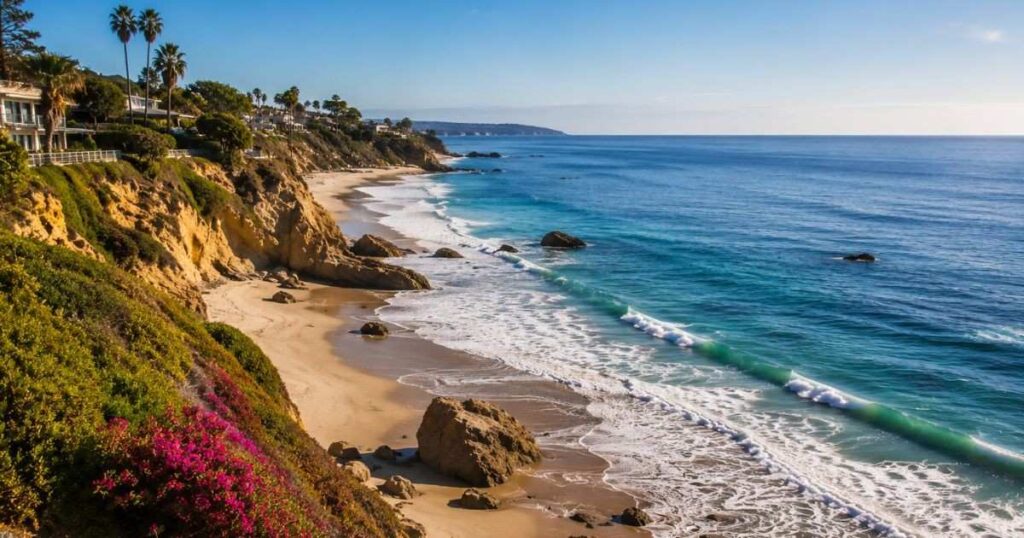
The best beaches in Los Angeles for dramatic scenery cluster along Malibu’s Pacific Coast Highway. El Matador State Beach ranks at the top of nearly every local list for its three connected pocket coves, towering rock stacks and arched sea caves that only appear at low tide. The parking lot on the bluff holds limited spaces and costs $10/day but free street parking runs along PCH southbound, most visitors miss this and turn around when the lot shows full. No lifeguards patrol El Matador, so check NOAA tide charts before descending the steep bluff trail.
The moment you arrive at El Matador and step between those sea caves, you understand why engagement photographers and film crews book this beach months in advance. Arrive before 9 AM on weekdays to find the coves empty by 11 AM on summer weekends every accessible rock has someone standing on it. December through March brings smaller crowds and the golden winter light that photographers specifically time their shoots around.
Leo Carrillo State Park sits 28 miles north of Santa Monica on PCH and stretches over a mile with sea caves, tide pools and overnight camping ($35/night for standard sites). Most visitors to Malibu stop at Surfrider Beach and never drive the extra 20 minutes north. Surfrider itself delivers the consistent right-hand break that makes it one of California’s most respected surf spots but beginners should not paddle out here.
Zuma Beach, 4 miles north of Malibu village, is the largest beach in LA County at 2 miles long. It is family-friendly, has full facilities including restrooms and lifeguards and charges $5–$8 per vehicle on weekdays. Most tourists do not realize that Zuma sits directly adjacent to Point Dume State Beach. A short walk north puts you at the base of cliff trails with panoramic views of Santa Monica Bay, sea lion haul-outs and grey whale sightings from December through April.
Pro Tip: Park at Zuma Beach lot ($5–$8), walk north 15 minutes to Point Dume’s tide pools at low tide, then return via the bluff trail for the bay view two distinct experiences for one parking payment.
Best Beaches in Los Angeles: Santa Monica and Venice Beach
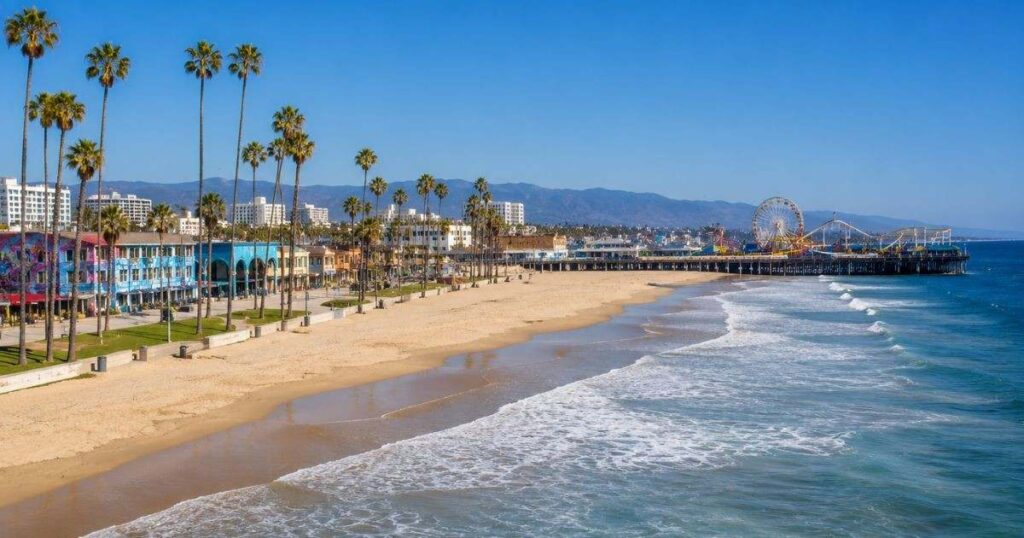
Santa Monica Beach stretches 2 miles just north of the iconic pier and ranks among the best beaches in Los Angeles for visitors who want maximum facilities with easy public transit access. The Big Blue Bus Line 1 connects Downtown LA to Santa Monica in 50 minutes for $1.25 per ride with no parking headache required. Beach lot parking in Santa Monica runs under LA County’s new January 2026 rate structure, so verify current prices at santamonica.gov before you drive.
The Santa Monica Pier itself sits at the south end of the beach and holds a small amusement park, restaurants and the original Pacific Park Ferris wheel. Most visitors to the pier never walk north along the beach to find the Santa Monica stairs, a concrete staircase at Adelaide Drive where local athletes train every morning. The staircase is free, open to the public and gives a cliff-top view over the entire beach that the pier level never shows.
Venice Beach sits 2 miles south of Santa Monica along a connected boardwalk. The Muscle Beach outdoor gym, the skate park and the Ocean Front Walk draw 10 million visitors per year, it is one of the most visited beaches in the US. Venice runs loud and packed on summer weekends arrive before 8 AM or after 4 PM to see it at a less saturated hour. Group surf lessons through Coyote Surf Lessons at Venice start at $85/person for a 90-minute session with board and wetsuit included.
Most visitors to Venice walk the boardwalk and never cut one block east to the Venice Canals, a residential neighborhood of working waterways built in 1905, modeled on Venice, Italy. Walking the canal bridges takes 20 minutes and costs nothing. The contrast between the chaotic boardwalk and the quiet canal streets 90 seconds apart is the most surprising detail on this entire stretch of coast.
Pro Tip: Take the Big Blue Bus Line 1 from Downtown LA to Santa Monica ($1.25), rent a bike from Perry’s Cafe on the beachfront ($15–$25/hour) and ride the path south to Venice and back the whole coastal route in one morning without parking costs.
Best Beaches in Los Angeles: Manhattan Beach and the South Bay
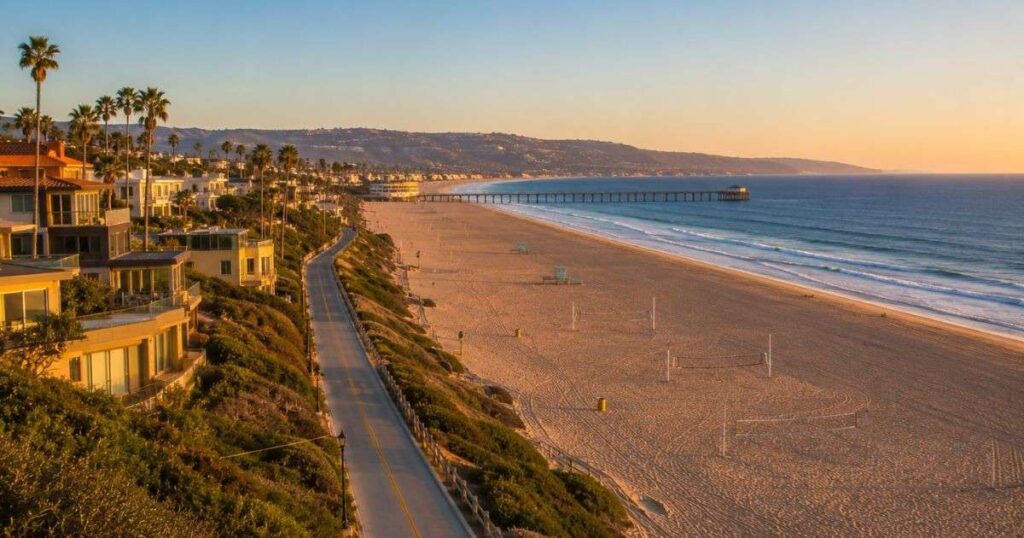
The best beaches in Los Angeles for a local, unpretentious experience sit in the South Bay, specifically Manhattan Beach, Hermosa Beach and Redondo Beach. Manhattan Beach runs cleaner, quieter and more upscale than Venice, with a Manhattan Beach Pier featuring the free Roundhouse Marine Studies Lab and Aquarium at its end. The Tuesday Farmer’s Market on Manhattan Beach Blvd from 11 AM to 3 PM pulls local vendors selling produce, fish tacos ($4–$6 each) and prepared food.
Surf lessons at Manhattan Beach run $85/person for group sessions and $170 for a 2-hour private lesson with board and wetsuit included through Pacific Surf School. The waves here break more consistently year-round than at Santa Monica and instructors confirm the central bay position means stronger and more regular swells. El Porto, the northern section of Manhattan Beach, is where LA’s serious surfers train on larger swells beginners should book lessons in the southern section near the pier.
Hermosa Beach connects to Manhattan Beach on foot via The Strand, a paved 22-mile coastal bike and walking path. The Hermosa Beach Surfers Walk of Fame on Pier Avenue honors California’s surf legends and costs nothing to visit. Redondo Beach, just south, offers the calmest water of the three cities and consistently ranks highest for family suitability, the horseshoe-shaped King Harbor area blocks most swell and the pier restaurants serve fresh fish at prices below Santa Monica ($14–$18 for a fish taco plate).
Most visitors to the South Bay rush past Hermosa Beach entirely, focusing on Manhattan or Redondo. Hermosa’s pier stretches 1,140 feet into the Pacific longer than the Santa Monica Pier and the view back at the coastline from its end gives one of the cleanest unobstructed angles on the LA shoreline.
Pro Tip: Walk The Strand from Redondo Beach north to Manhattan Beach Pier in the morning (about 45 minutes), eat lunch at the Manhattan Beach Farmer’s Market on Tuesdays, then surf lessons in the afternoon a full day for under $100 total.
Best Beaches in Los Angeles: Practical Tips and Best Time to Visit
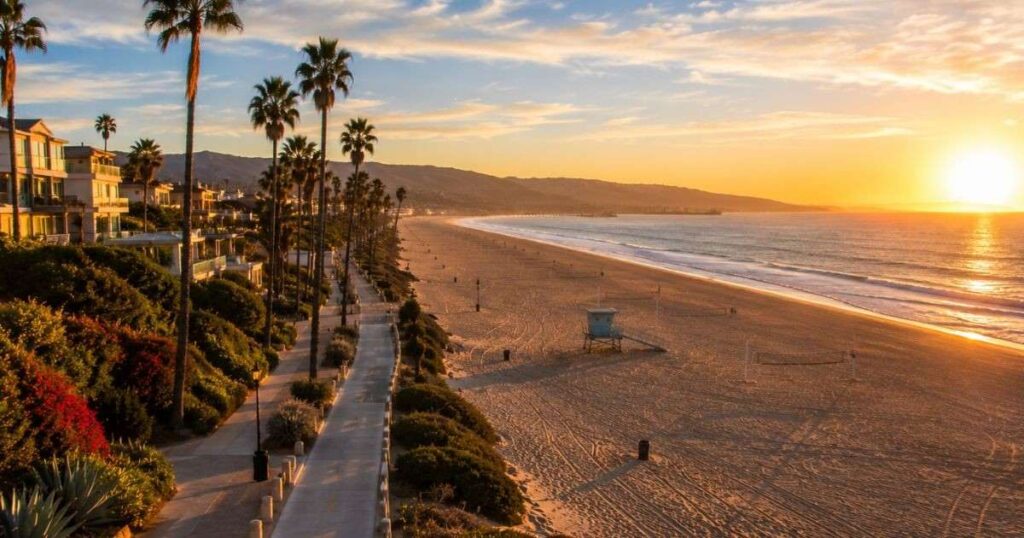
The best time to experience the best beaches in Los Angeles is September through November, when crowds thin and water stays warm. Summer in LA brings “June Gloom” a marine layer that sits over the coast most mornings in May and June, keeping beaches gray until noon. September and October bring clear skies, water temperatures around 68–72°F, lower crowds than summer and hotel rates 20–30% below July and August peaks. March through May is the second-best window, with wildflower blooms along the Malibu coastal bluffs and uncrowded mornings.
Water temperature at LA beaches peaks in August and September at around 68–72°F. December through February brings temperatures down to 58–62°F wetsuits become necessary for comfortable surfing or swimming. Whale watching trips depart from Redondo Beach and Santa Monica Pier from December through April targeting gray whale migration and again in July and August for blue and humpback whales 3-hour tours run around $45–$60 per adult.
Getting between beaches by car costs money in parking and time in traffic. The Metro Expo Line connects Downtown LA to Santa Monica in 46 minutes for $1.75. The Strand bike path covers 22 miles between Santa Monica and Torrance with zero traffic lights. Renting a bike for a half-day runs $25–$40 at most boardwalk shops. Driving between Malibu and the South Bay on a summer Saturday via PCH can take 90 minutes for what should be a 35-minute trip.
Among the best beaches in Los Angeles compared to San Diego beaches 2 hours south, LA shores run slightly more crowded at peak times but offer a wider range of activities, more dining on the sand and better public transit access. San Diego’s La Jolla Cove beats any LA beach for snorkeling clarity but no LA beach charges the entry fees or parking premiums that Torrey Pines or La Jolla lot pricing brings.
Pro Tip: Visit El Matador on a Tuesday or Wednesday in October the lot rarely fills before noon, the light is at its best for photos and the sea caves at low tide are fully accessible with no one in them.
“Planning more Hawaii day trips? Our guides on things to do in big sur, pacific coast highway road trip, north beach san francisco, top things to do in san francisco, where to stay in san diego, things to do san diego and things to do in la jolla cover the rest of the region in detail.”
Frequently Asked Questions
How many days do you need to see the best beaches in Los Angeles?
Two to three days covers the best beaches in Los Angeles main stretches well. Day one works perfectly for Malibu El Matador, Leo Carrillo and Point Dume. Day two covers Santa Monica, Venice and the connected Strand bike path south. Day three adds Manhattan Beach, Hermosa Beach and Redondo, which completes the full South Bay run from pier to pier.
Are the beaches in Los Angeles worth visiting?
Yes, the best beaches in Los Angeles offer more range than almost any other US metro. Within 30 miles you move from dramatic sea cave beaches in Malibu to urban boardwalk culture at Venice to quiet family beaches in Redondo. No single city in California matches that variety in one coastline. San Diego rivals it but LA’s transit options and dining scene along the shore push it ahead for city-based travelers.
What is the best time to visit Los Angeles beaches?
September through November is the best time to visit LA beaches. Water temperature peaks at 68–72°F, summer fog lifts entirely, hotel rates drop 20–30% from their July peak and the beaches lose the heaviest crowds. March and April offer the cleanest mornings along the Malibu coast with Malibu Canyon wildflowers adding to the coastal scenery.
Are Los Angeles beaches expensive for tourists?
LA beaches themselves are free to enter. Costs come from parking ($5–$10 at most county lots), surf lessons ($85 group, $170 private per session) and food on the boardwalk ($10–$18 per meal). Budget travelers can cover a full beach day for $55 using public transit ($1.25 bus fare), a packed lunch and free beach access. The biggest expense spike comes from Malibu restaurant dining, where beachside meals run $25–$45 per person.
Are Manhattan Beach or Venice Beach better for first-time visitors?
Venice Beach wins for first-timers who want the iconic LA beach experience, the boardwalk, Muscle Beach, street performers and canal neighborhood all fit in one walkable area. Manhattan Beach is the better pick for visitors who want a cleaner, quieter, more local atmosphere with stronger surf and better dining within walking distance of the pier. Both beaches sit 6 miles apart along The Strand and work well as a combined half-day-each itinerary.
Final Thoughts
The best beaches in Los Angeles reward visitors who move north and south rather than staying anchored at the pier. El Matador’s sea caves, Manhattan Beach’s consistent surf and the Venice Canal neighborhood together form a coastal circuit that most tourists fly home without completing. September is the month to go clear skies, warm water and half the summer crowd. Drive PCH north from Santa Monica to El Matador on a Tuesday morning, park on the street, descend to the south cove before 9 AM and stand between the rock stacks as the tide pulls back to reveal the cave floor.