
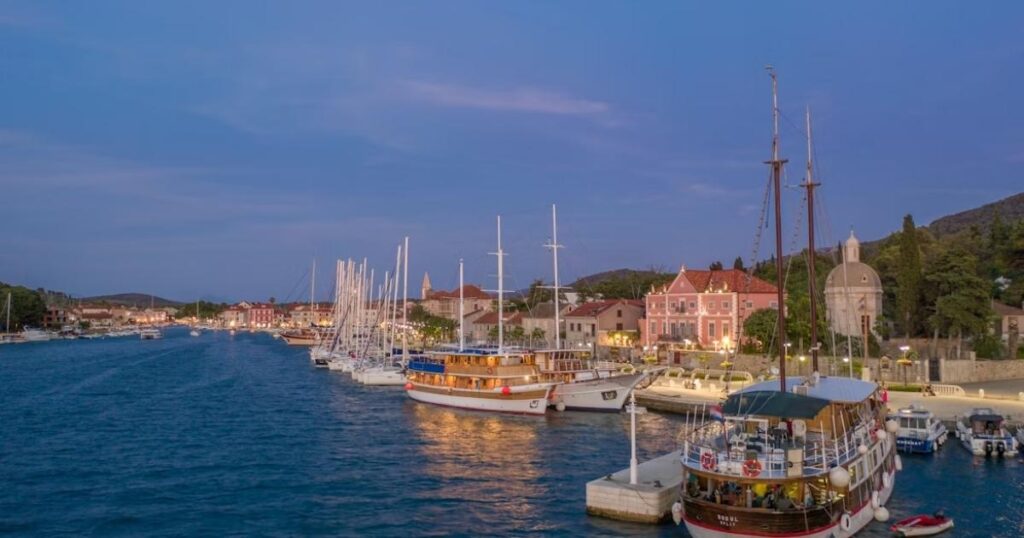
Most tourists arrive in Split, look at the ferry board and feel confused. There are two routes, three ferry operators and departures that run at completely different times depending on the season. Hvar Island sits just 50 km southwest of Split across the Adriatic but choosing the wrong boat or missing the timetable can cost you half a travel day. This guide cuts through every option for making the Split to Hvar crossing in 2026, so you step onto the right ferry the first time. “Whether you are planning a day trip or an overnight stay, this split to hvar guide covers every option.”
In this guide you will find:
- Exact 2026 ferry and catamaran timetables for both the Stari Grad and Hvar Town routes
- A clear price breakdown: foot passenger vs car ferry vs catamaran costs
- The critical difference between arriving at Hvar Town and arriving at Stari Grad and why it matters
- How to do a proper day trip from Split to Hvar without wasting €40 on last-minute returns
- The one seasonal window (May and September) when you get the best of Hvar without the 40°C July crowds
Quick Info Box
| Detail | Info |
| Location | Hvar Island, Split-Dalmatia County, Croatia |
| Nearest Airport | Split Airport (SPU) — 25 km / 35 minutes to Split Ferry Terminal |
| Best Time to Visit | May, June and September |
| Travel Time from Split | 1 hour (catamaran) to 2 hours (car ferry via Stari Grad) |
| Days Recommended | 2–3 days minimum; 1 day possible as a day trip |
| Average Daily Cost | €80–€130 per person (mid-range) |
Split to Hvar Ferry Options: Catamaran vs Car Ferry
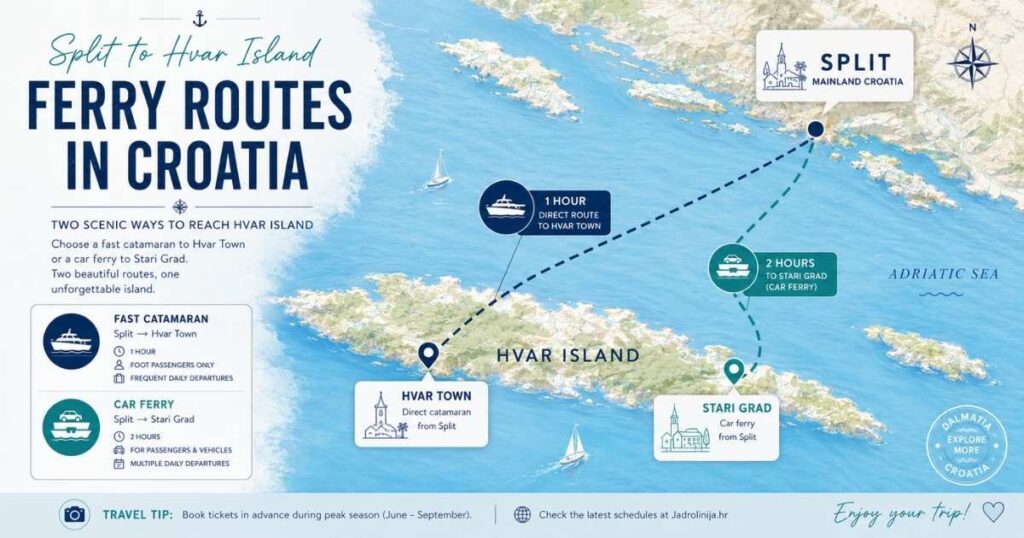
The Split to Hvar route runs two fundamentally different services and mixing them up is the single most common mistake tourists make. The Jadrolinija car ferry departs Split for Stari Grad (on the north side of Hvar Island) and takes approximately 2 hours. The Krilo or Jadrolinija fast catamaran goes directly to Hvar Town (the main tourist hub) in around 1 hour. These are not the same destination Stari Grad and Hvar Town are 20 km apart on the island, connected by a bus that costs €3–€4 and runs roughly every 30–60 minutes in peak season.
The car ferry from Split to Stari Grad departs from Split’s Supaval ferry terminal and costs €6.50 per foot passenger (2025 rate, expected to remain similar in 2026). If you bring a car, expect to pay €35–€55 depending on vehicle size, plus the foot passenger rate per person. The catamaran passenger-only service to Hvar Town departs from the Jadrolinija quay near Riva promenade and costs €11–€13 per person one way. The catamaran does not carry cars or motorbikes.
Peak season July to August sees up to 7 split to hvar car ferry departures daily in each direction in each direction, with catamaran runs at 06:00, 09:00, 14:15 and 18:30 from Split. Off-season (November–March) drops to 2–3 departures per day and the catamaran schedule cuts significantly check Jadrolinija.hr or Krilo.hr for current 2026 timetables before booking. Always confirm online, since timetables update each season by March 1.
Pro Tip: Book catamaran tickets online at least 24 hours ahead in July and August seats sell out by mid-morning and standing is not permitted. The car ferry rarely sells out for foot passengers but car spaces fill by 08:00 for the morning peak departure.
Hvar Town vs Stari Grad: Which Arrival Point to Choose

The ferry you choose determines which part of the island you land on and that choice shapes your entire day. Hvar Town is where most tourists want to be, it holds the 16th-century Hvar Fortress (Španjola), the main harbor with its cathedral and the highest concentration of restaurants and bars on the island. Stari Grad is quieter, 2,400 years old (the oldest continuously inhabited town in Croatia) and worth a 2-hour walk but it is not the center of activity.
If you are a foot passenger spending 1–3 days in Hvar, take the catamaran to Hvar Town. You arrive directly at the harbor, steps from your hotel or the main piazza. If you are bringing a car, you have no choice but to take the car ferry to Stari Grad, since the catamaran is passenger-only. From Stari Grad port, drive 20 km southwest along a well-paved road to Hvar Town; the journey takes 25 minutes. The bus connecting both towns runs every 30–40 minutes in summer for €3 per ride.
Most tourists who arrive in Stari Grad by mistake thinking it is Hvar Town spend 20 minutes confused before catching a taxi for €25 or waiting 40 minutes for the next bus. Save yourself the confusion: the catamaran docks at the stone quay directly in front of Hvar Town’s Trg Sv. Stjepana square. The car ferry docks at a purpose-built port 1 km north of Stari Grad’s old town.
Pro Tip: If you arrive in Stari Grad by car ferry and want to explore Stari Grad itself first, park at the free car park 500 m from the port and walk the old town before driving to Hvar Stari Grad’s UNESCO-listed plain (the Chora) is a genuinely undervisited site that most Hvar visitors skip entirely.
Split to Hvar as a Day Trip: Is It Worth It in 2026?
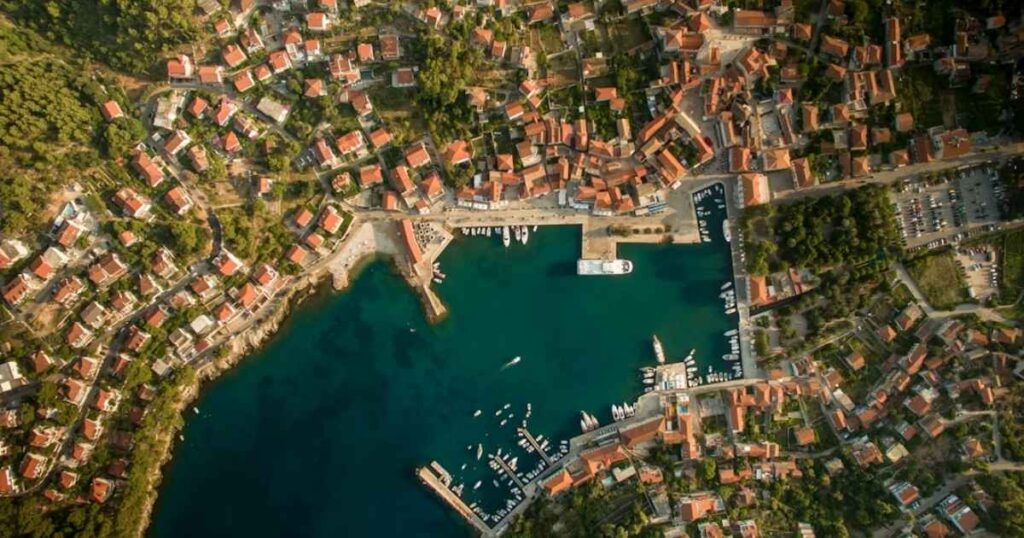
A day trip from Split to Hvar is possible but the math only works if you plan it precisely. Take the 09:00 catamaran from Split, arriving in Hvar Town by 10:00. That gives you roughly 7 hours before you need to catch the 17:15 or 18:30 return catamaran to Split. In July and August, 7 hours in Hvar Town is enough to climb to the Španjola Fortress (entry €10, views reach the Pakleni Islands), swim at one of the town beach areas, eat a fresh peka dish (lamb slow-cooked under a bell, costs €15–€18 at Konoba Menego) and explore the main square.
What a day trip cannot do: visit the Pakleni Islands properly. Water taxis from Hvar Town to Palmižana on Sveti Klement Island cost €5–€8 each way and run until about 19:00 but you need at least 3 hours on the island to make it meaningful. If the Pakleni Islands are your goal, staying overnight in Hvar private rooms (sobe) run €60–€110 per night in June and September, dropping to €40–€70 in May and October.
The day trip only fails when tourists miss the return catamaran. The last catamaran from Hvar Town to Split typically departs at 18:30 in peak season but this varies. Missing it means either taking the car ferry to Stari Grad (last departure around 21:00) and then paying €30–€40 for a taxi to Split or staying overnight unplanned. Set a phone alarm for 18:00 and walk to the catamaran dock by 18:10 at the latest.
Pro Tip: The 09:00 catamaran from Split fills up fast in summer. Buy your outbound and return tickets together online the evening before the total round trip by catamaran costs €22–€26 and saves you the harbor queue stress.
Practical Tips for the Split to Hvar Route in 2026
The Split to Hvar crossing is short but a few operational details catch first-time travelers off guard every season. First, Split has two separate departure points and mixing them up means missing your boat. The car ferry (Supaval terminal) is located 1.5 km northwest of Split’s historic center, take bus line 60 from Riva for €1.80 or walk 20 minutes. The catamaran and passenger ferry dock is right on the Riva promenade waterfront, a 3-minute walk from Diocletian’s Palace main gate.
Luggage rules on the catamaran allow one standard piece per passenger Krilo’s policy limits bags to 30 kg and oversized bags like surf or bike bags require advance notice or get refused boarding. On the Jadrolinija car ferry, you can bring essentially unlimited luggage in your vehicle and foot passengers face no strict weight limits in practice. In rough weather (Bura wind above Beaufort 6), the catamaran service suspends this happens roughly 10–15 times per season between October and April. The car ferry is more resistant to cancellation because it is a larger vessel.
Currency note: the ticket booth at Split’s catamaran dock accepts euro and credit cards as of 2025 but the machines occasionally go offline carrying €15 in cash per person as backup. Jadrolinija tickets bought online cost the same as at the dock but include a seat reservation, which matters on busy departures. Croatian Hvar has no Uber taxis within Hvar Town that charge a flat €5 minimum and the ride from Stari Grad to Hvar Town runs €20–€25 by standard taxi.
Pro Tip: Arrive at the catamaran dock in Split at least 20 minutes before departure in July and August. The boarding ramp closes 5 minutes before the scheduled time and the crew will not hold the boat, this is Croatia, not an airport check-in desk.
You may like also:
FAQ’s
How many days do you need in Hvar?
Two full days in Hvar give you enough time to explore Hvar Town, visit Španjola Fortress, take a water taxi to the Pakleni Islands and have at least one proper sit-down meal at a harbor konoba. Three days let you rent a scooter (€35–€45/day) and reach the quieter eastern beaches near Zavala or the lavender fields near Velo Grablje in the island’s interior. One day works as a day trip from Split only if you focus entirely on Hvar Town and skip the Pakleni Islands.
Is Hvar worth visiting in 2026?
Hvar remains one of the most scenically striking islands in the Adriatic and 2026 brings no major change to its core appeal the fortress views, Venetian architecture and clear water are consistent draws. The crowd level has shifted slightly since 2022, with June and September becoming genuinely pleasant months as July and August attract ultra-crowded party tourism centered on the Carpe Diem beach bar. If your priority is the island’s historic and natural side rather than nightlife, visit in May or early June when prices drop 30–40% and the harbor isn’t wall-to-wall tour groups.
What is the best time to visit Hvar?
May and September are the best months to visit Hvar in 2026. In May, daytime temperatures reach 22–25°C, the sea is swimmable (around 20°C), lavender starts blooming inland and tourist crowds are roughly 60% lighter than August. September offers sea temperatures of 24–26°C warmer than June with significantly fewer visitors and lower accommodation prices. July and August guarantee sunshine but bring 35–40°C heat, fully booked ferries and accommodation costs that can triple compared to shoulder season rates.
Is Hvar expensive for tourists?
Hvar is mid-to-high range by Croatian standards. A sit-down lunch for two at a harbor restaurant in Hvar Town costs €40–€60 with wine; a simple grilled fish plate at a konoba away from the main square runs €14–€18. A cocktail at a beachfront bar costs €10–€14. Budget travelers can manage on €55–€70 per day by staying in private rooms (sobe), eating at bakeries and the town market for breakfast and skipping the upscale beach clubs. The ferry itself is the cheapest part €11–€13 per person by catamaran from Split.
Can you visit Hvar as a day trip from Dubrovnik?
Visiting Hvar as a day trip from Dubrovnik is technically possible but not practical for most travelers. The direct Krilo catamaran connecting Dubrovnik and Hvar Town takes approximately 3 hours 20 minutes and costs around €35–€42 one way, making the round trip over 6.5 hours of total travel for a few hours on the island. A far better approach is to stop in Hvar for 1–2 nights while traveling between Split and Dubrovnik. The route passes the island naturally and you avoid the double journey entirely.
How long does the split to hvar ferry take?
The split to hvar catamaran takes 1 hour to Hvar Town. The car ferry to Stari Grad takes approximately 2 hours.
Conclusion
The Split to Hvar crossing is one of the most rewarding 60-minute journeys in the Mediterranean the catamaran pulls away from Split’s stone harbor, passes the outer islands and deposits you directly at Hvar Town’s waterfront piazza with the bell tower and Venetian loggia framing the hillside above. No transfer, no taxi queue, no disorientation.
Book the 09:00 catamaran from Split, pick up your ticket online the night before for €11–€13 and walk aboard with nothing but a day bag. Then climb to Španjola Fortress by 11:00, before the tour groups arrive and look south toward the Pakleni Islands while the harbor below is still quiet. The split to hvar route is one of the easiest island crossings in Croatia plan it right and Hvar becomes one of the best days of your trip.