Driving Flagstaff to the Grand Canyon feels shorter than most visitors expect and that surprises people who assume a national park this famous must sit hours from anywhere. The South Rim is just 80 miles from downtown Flagstaff and the most direct route takes about 90 minutes through ponderosa pine forest with almost no traffic lights. You’ll pass the turnoff for a 1962 volcanic-rock chapel before you’ve even left the pines behind. This guide covers every route from Flagstaff to Grand Canyon, the entrance fee, the timing that avoids the worst gate lines and which road to skip if you’re short on time.
In this guide you will find:
- The exact mileage and drive time for all three routes from Flagstaff
- The Grand Canyon entrance fee and how long it stays valid
- Which route adds a worthwhile stop at Cameron Trading Post
- The exact hours that trigger a one-to-two-hour wait at the entrance gate
- How the Williams, Arizona route compares for gas and food stops
- The best months to drive it based on weather, not just crowd levels
Quick Info Box
| Detail | Information |
| Location | Grand Canyon National Park South Rim, Coconino County, Arizona |
| Nearest Airport | Flagstaff Pulliam Airport (FLG), the starting point of this drive |
| Best Time to Visit | May-June and September-October |
| Travel Time from Phoenix | About 2.5 hours to Flagstaff, plus 1.5 hours to the South Rim |
| Days Recommended | 1 day trip is workable 2 days lets you see sunrise and sunset |
| Average Daily Cost | $70-100 budget, $180-260 mid-range, $350+ luxury (per person, lodging included) |
Flagstaff to Grand Canyon: The Three Routes
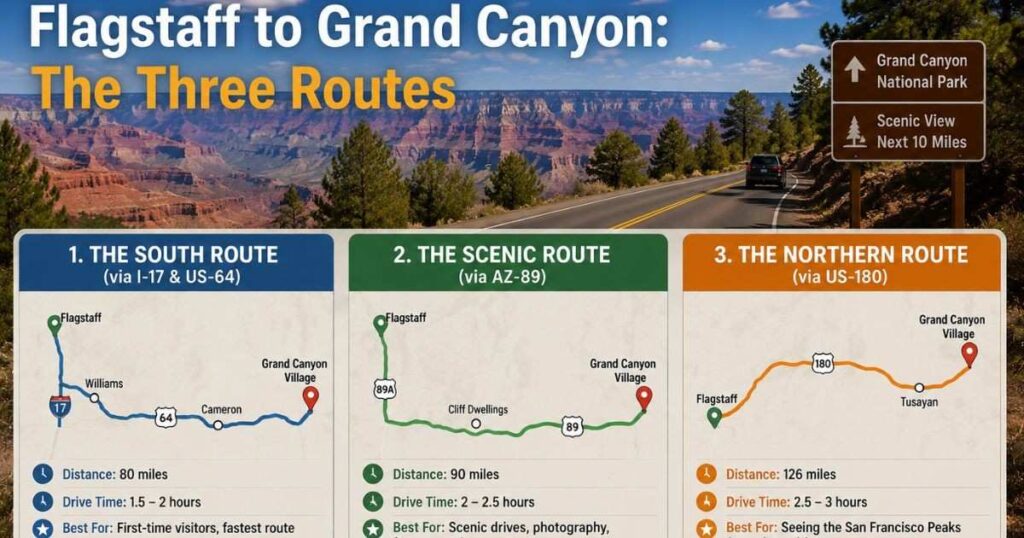
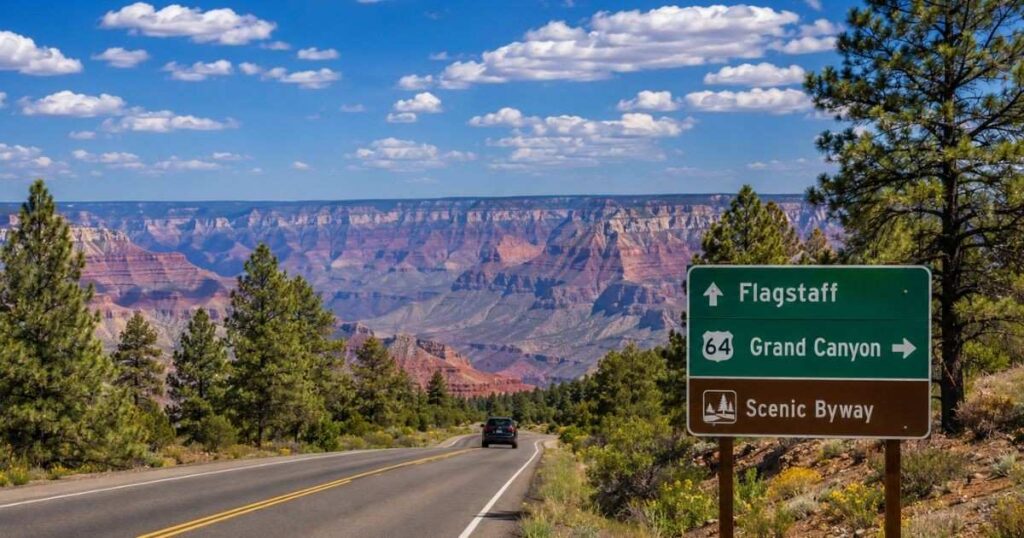
The most direct drive from Flagstaff to Grand Canyon runs 80 miles via Highway 180 west through Kaibab National Forest, then north on Highway 64 to the South Rim, taking about 90 minutes with no significant elevation changes. A second option covers the same 80 miles and same 90-minute Flagstaff to Grand Canyon drive time through Williams, Arizona via I-40, trading Highway 180’s ponderosa pine scenery for more gas stations and restaurants along the way. Both routes meet at the same junction on Highway 64, so the choice comes down to scenery versus services, not speed.
The third option runs through the Navajo Nation via Highway 89 north to Cameron, covering 110 miles in about 2 hours 10 minutes before entering through the park’s East Entrance at Desert View. This route runs 20 minutes longer than the direct options but adds a stop at Cameron Trading Post, where Navajo tacos and hand-woven rugs make the detour worthwhile for anyone not racing the clock. Choosing this route also means the visitor center and main viewpoints come last in your day, which some travelers actually prefer for saving the busiest area for after their own East Rim exploring.
Highway 180 stays snow-prone in winter since it crosses a low mountain pass near Flagstaff, so drivers heading out after a storm should default to the flatter Williams route instead.
Pro Tip: Take Highway 89 through Cameron on the way out and the direct Highway 180 route on the way back you get the trading post stop without doubling the drive time in both directions.
Grand Canyon Entrance Fee and Timing the Gate
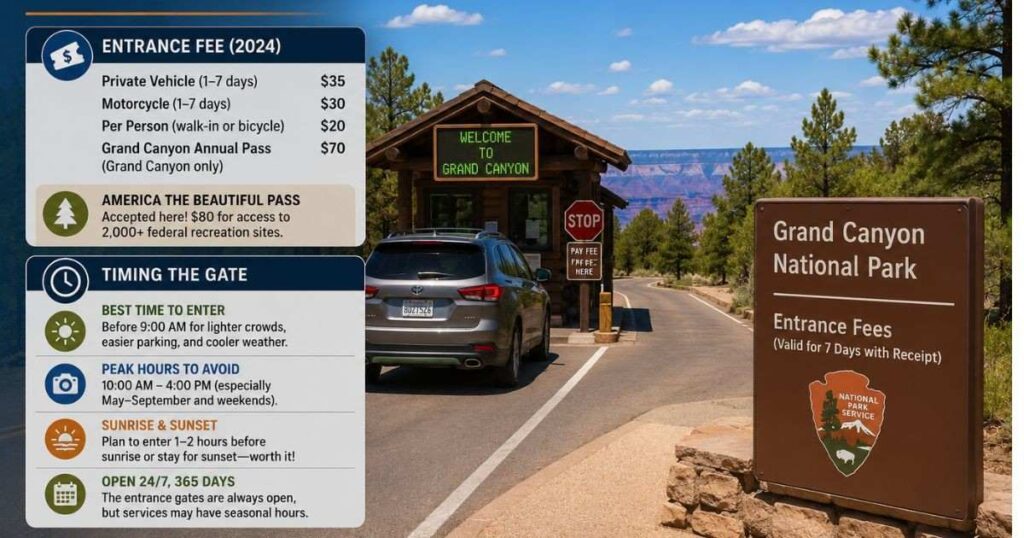
The entrance fee for Grand Canyon National Park is $35 per vehicle, valid for seven consecutive days, which covers unlimited entries if you’re staying nearby and want to return the following day. An America the Beautiful Pass costs $80 and covers every federal fee site nationwide for a year, so two Grand Canyon visits alone pay for itself. Motorcycles pay $30 and individual pedestrians or cyclists pay $20 per person.
Timing your arrival matters more than the fee itself. Between 10am and 4pm during the busy season, the entrance gate wait regularly runs one to two hours, while arriving before 10am usually means little to no wait at all. November through February brings dramatically thinner crowds across the board, though winter storms occasionally close sections of the East Rim Drive. Checking the South Entrance webcam before you leave Flagstaff tells you the real-time situation rather than guessing.
Parking near the rim lodges fills fast regardless of season,but a large lot next to the Canyon View Information Plaza holds roughly 900 spaces and connects to the free Village Shuttle system. Most tourists don’t realize this shuttle covers the Hermit’s Rest route along the West Rim, which is closed to private vehicles for much of the year anyway.
Pro Tip: Leave Flagstaff by 7:30am for a day trip. You’ll clear the entrance gate with zero wait and get a full two hours at the rim before the 10am crowd surge arrives.
Best Time to Drive Flagstaff to Grand Canyon
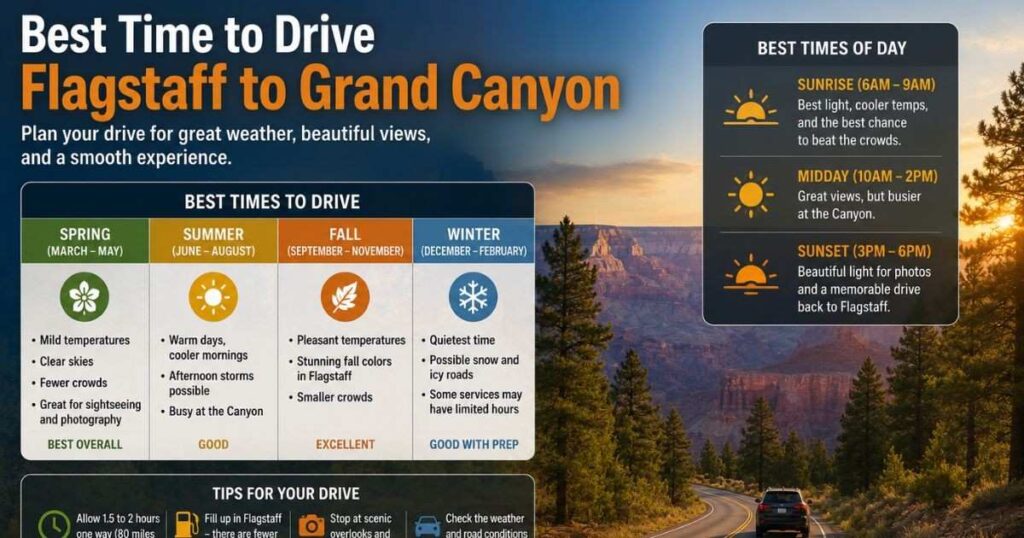
May and June bring daytime highs in the 70s and low 80s°F at the rim with minimal rainfall, while September and October offer similar temperatures plus the added benefit of thinning summer crowds. Both Flagstaff and the South Rim sit above 6,800 feet, so even summer mornings start cool enough for a jacket before warming through the day. Monsoon season, from July through August, brings dramatic afternoon thunderstorms that make morning viewpoint visits the safer bet.
Winter driving between Flagstaff and Grand Canyon is entirely doable but Highway 180’s mountain pass sees snow multiple times each season and rim temperatures regularly drop below freezing overnight. The upside is real: November through February crowds thin out enough that popular viewpoints like Mather Point go from packed to genuinely quiet. Spring can swing unpredictably, with 60°F afternoons following near-freezing mornings within the same week.
A same-day round trip from Flagstaff to Grand Canyon works on a tight schedule but most first-time visitors underestimate how much time the canyon itself demands once you’re standing at the rim. Staying one night in Grand Canyon Village or nearby Tusayan turns a rushed afternoon into a full day plus a sunrise or sunset session most day-trippers miss entirely.
Verdict: Drive out in late May or early October for the clearest skies and the shortest gate wait and budget at least one overnight if sunrise or sunset photography matters to you.
Planning Your Day: What to Skip and What Not To
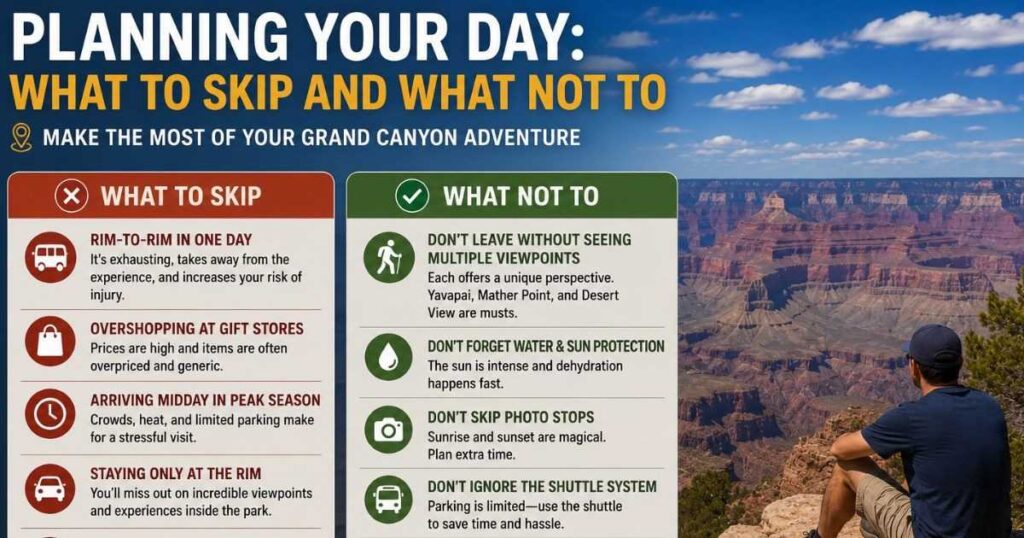
Anyone doing Flagstaff to Grand Canyon as a single-day trip should skip Williams as a sightseeing stop and save it for a future visit, since both driving routes already take the full 90 minutes without adding detours. Planning the Flagstaff to Grand Canyon drive around an early departure matters more than which route you pick, since gate wait times swing far more than the 20-minute gap between routes. The East Rim route through Cameron works well as an outbound trip if you plan to explore Desert View Drive’s half-dozen named overlooks slowly, since rushing that stretch defeats the purpose of choosing it. Parking directly at the rim lodges is genuinely difficult by midday, so plan to use the free shuttle from the main lot rather than circling for a closer spot.
Gas is worth handling in Flagstaff before you leave, since prices climb noticeably closer to the park and Tusayan’s stations charge a premium for convenience. Cell service disappears for stretches of Highway 180 and 64, so downloading offline maps before departure avoids getting stuck without directions near Valle. Most visitors also don’t realize the park’s Trail of Time and Rim Trail sections near the Village require zero permit or extra fee beyond the standard park entrance.
Pro Tip: Fill your tank in Flagstaff and download an offline map of Highway 180 before you leave cell coverage disappears for long stretches once you’re past the city limits.
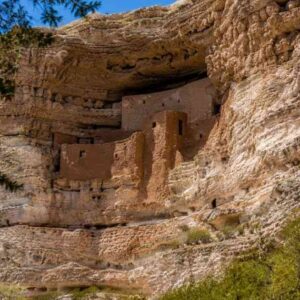
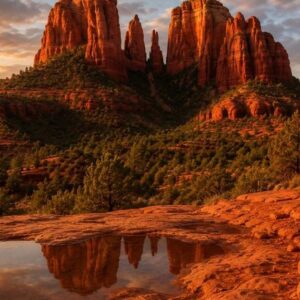
“Planning more Hawaii day trips? Our guides on bell rock trail, Cathedral Rock Sedona and montezuma castle arizona cover the rest of the region in detail.”
Frequently Asked Questions
How many days do you need for the Grand Canyon after driving from Flagstaff?
One full day covers the main South Rim viewpoints and a shuttle ride along Hermit’s Rest but two days lets you catch both a sunrise and sunset session at different overlooks. Anyone hiking below the rim, even partway down the Bright Angel Trail, should plan for at least one overnight to avoid rushing back up in the heat.
Is the Grand Canyon worth visiting after the drive from Flagstaff?
Yes, at 80 miles and roughly 90 minutes each way, it’s one of the shortest drives to any major U.S. national park from a real city with its own airport. The South Rim alone draws close to five million visitors a year and the view from Mather Point delivers on that reputation within minutes of parking.
What is the best time to drive from Flagstaff to the Grand Canyon?
May through June and September through October bring daytime highs in the 70s and low 80s°F with minimal rain and thinner crowds than peak summer. Leaving before 10am on any date avoids the worst of the entrance gate wait, regardless of season.
Is a Grand Canyon trip expensive after getting to Flagstaff?
No, the park entrance fee is just $35 per vehicle and covers seven full days, so a two-day visit costs the same as a single afternoon stop. Lodging in Flagstaff runs noticeably cheaper than staying inside the park itself, which is worth factoring in if budget matters more than convenience.
Can you do a day trip to the Grand Canyon from Flagstaff?
Yes, easily the direct 90-minute drive each way leaves 4-5 hours at the rim if you leave Flagstaff by 7:30am and head back by early evening. Just budget extra time if you’re taking the longer Cameron route, since that adds roughly 40 minutes each direction.
Final Thoughts
The drive from Flagstaff to Grand Canyon takes less time than most people spend commuting to work and that’s exactly why it’s one of the easiest bucket-list stops in Arizona to actually pull off. Leave Flagstaff by 7:30am, take Highway 180 through the pines and walk straight to Mather Point for your first look at the canyon before the 10am crowd even arrives.