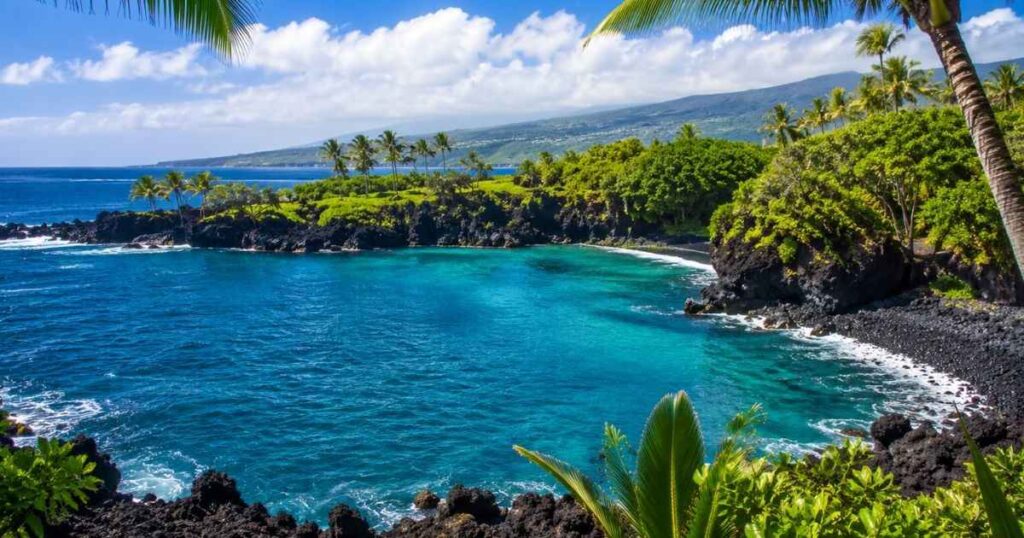
Kailua-Kona gets roughly 300 sunny days per year and sits on the Big Island’s driest coast, facts that make it Hawaii’s most reliably swimmable base for water activities. Things to do in Kona cover snorkeling a marine conservation district with 100-foot visibility, swimming with manta rays that have 12-foot wingspans at night, exploring a 600-year-old Hawaiian place of refuge and tasting coffee grown on volcanic slopes at 2,000 feet all within a 30-minute drive from Ali’i Drive. This guide covers every major activity with verified current prices, the correct time to book each one and the free stops most resort visitors never take.
In this guide you will find:
- Current prices for Kealakekua Bay snorkel tours ($125–$165) and manta ray night dives ($95–$140)
- The free Greenwell Farms coffee tour versus the $20 Kona Coffee Living History Farm which one delivers more
- Why Pu’uhonua o Honaunau ($20/vehicle) is the most undervisited national park in Hawaii
- The one Kona beach that disappears at high tide and returns at low tide and why most visitors miss the window
- Best months for whale watching versus snorkeling versus coffee harvest season
Quick Info Box
| Detail | Info |
| Location | Kailua-Kona, Hawaii County — Big Island west coast |
| Nearest Airport | Kona International Airport (KOA) — 11 km from Ali’i Drive |
| Best Time to Visit | April–June and September–November |
| Weather | Dry and sunny ~300 days per year — lee ward coast |
| Days Recommended | 3–5 full days |
| Average Daily Cost | $180–$320 per person including food, transport and activities |
Things to Do in Kona: Kealakekua Bay and Snorkeling
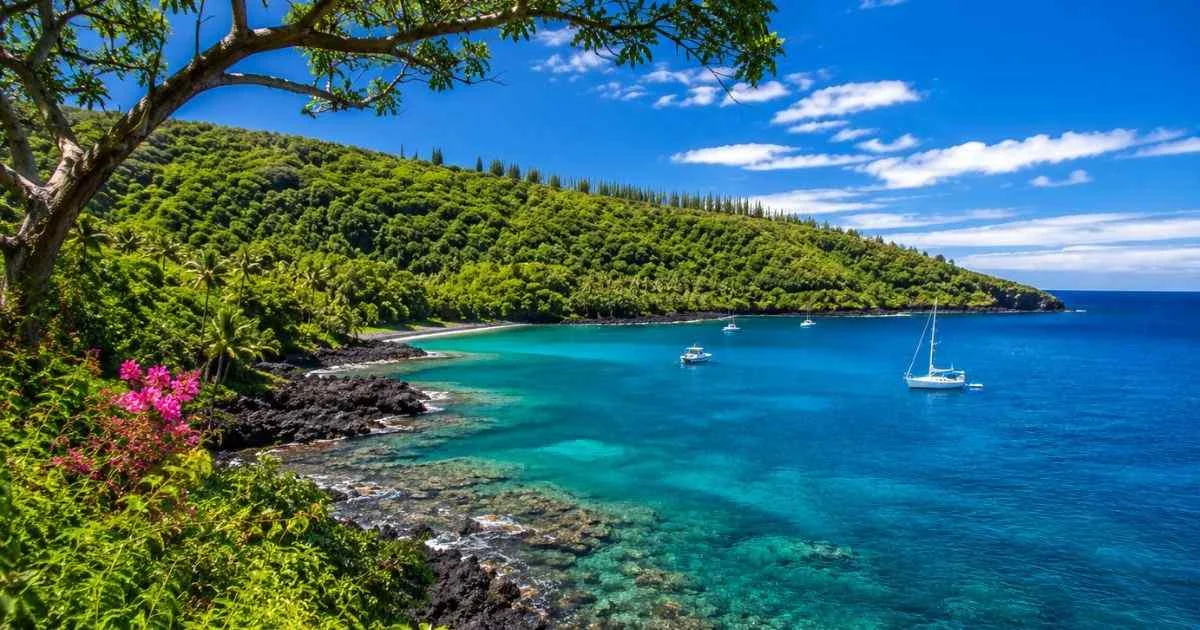
The single best thing to do in Kona starts with Kealakekua Bay for water-based visitors centers on Kealakekua Bay, a marine life conservation district 30 minutes south of Kailua-Kona where the reef holds the highest fish density of any accessible site on the Big Island.
The bay sits below 600-foot sea cliffs and is reachable by boat, kayak or a 3.5-mile round-trip hiking trail. Boat tours from Keauhou Bay depart at 08:30, cover the 45-minute crossing by catamaran and anchor directly above the coral reef near the Captain Cook Monument. Fair Wind Cruises and Sea Paradise both run this route, prices start at $125 per adult for a half-day tour including gear, breakfast and lunch. Morning departures consistently get calmer water and better visibility than afternoon trips.
Spinner dolphins frequent the bay in the mornings federal regulations prohibit swimming within 50 yards of them but tour boats encounter pods regularly on the crossing and during the snorkel stop. Yellow tang, Moorish idols and green sea turtles hold at the reef with the settled density of a protected zone. Water visibility regularly hits 100 feet.
The free alternative: the Captain Cook Trail descends 3.5 miles round-trip from the Highway 11 trailhead to the bay. It drops 1,300 feet in elevation steep, exposed and best attempted before 08:00 in morning shade. The reward is free access to the same reef with no boat fee. Most visitors underestimate the return climb and run out of water halfway up.
Pro Tip: Book the 08:30 Fair Wind morning departure at fair-wind.com at least 5 days ahead in summer the catamaran holds 100 passengers and fills consistently June through August. The afternoon Sea Paradise departure at 14:00 for $125 usually has same-week availability and suits visitors who prefer slower mornings.
Things to Do in Kona at Night: Manta Ray Snorkel Experience

The manta ray night snorkel ranks as the most memorable of all things to do in Kona, an experience that has no equivalent anywhere else in the continental United States or most of the Pacific.
Tour operators anchor offshore at Keauhou Bay or the airport reef after dark, deploy underwater lights that attract plankton and the plankton draws manta rays with wingspans reaching 12 feet directly beneath the floating boards. Snorkelers hold a surfboard-style floating platform and look down as mantas circle repeatedly through the light beam, filter-feeding within arm’s length. Sighting rates run above 90% on most nights because the site has operated consistently for decades and mantas have established a reliable feeding pattern.
Tours cost $95–$140 per adult depending on the operator and whether you snorkel or dive. Kona Honu Divers, Jack’s Diving Locker and Manta Ray Advocates all run the tour nightly. Book early in your trip to leave a backup night if ocean conditions cancel the first attempt the tour cancels in swells above 4 feet.
Most visitors who do the manta ray tour don’t realize that shore-based manta ray viewing exists at the Sheraton Kona Resort’s underwater viewing area, free to non-guests who walk to the seawall at Keauhou Bay after dark. Mantas appear here most nights when conditions are calm, no booking, no fee and a genuine 80% sighting rate from the rocks.
Pro Tip: Book the manta ray tour for your second or third night in Kona, not your last if conditions cancel your first booking, you need a backup date within your trip. Operators will reschedule for free if they cancel for weather but you need remaining nights available.
Things to Do in Kona: Coffee Farms and Historic Sites

The Kona coffee belt runs along the slopes of Hualālai volcano between 800 and 2,500 feet elevation, a 20-mile stretch of farms that produces one of the most expensive single-origin coffees in the world at $40–$60 per pound.
Greenwell Farms in Kealakekua offers free guided tours daily, a 45-minute walk through the growing, harvesting and roasting process with tasting at the end. No booking required, just show up at the farm on Hwy 11 about 15 minutes south of Kailua-Kona. The farm has operated since 1850 and holds the largest collection of heritage Kona Typica trees on the island.
Kona Coffee Living History Farm in Captain Cook charges $20 per adult for a guided tour led by docents in period clothing demonstrating 1920s Japanese immigrant farming methods. The farm recreates what life looked like for the families who built the Kona coffee industry. Open Thursday through Monday only. It is a more structured and historically specific experience than the free Greenwell tour worth the fee if Japanese-American agricultural history interests you.
Pu’uhonua o Honaunau National Historical Park charges $20 per vehicle (7-day pass) and sits 30 minutes south of Kailua-Kona. The park preserves a 600-year-old Hawaiian place of refuge where those who broke sacred kapu laws could find sanctuary. Reconstructed temples, royal fishponds and carved ki’i (wooden figures) fill a compact waterfront site that takes 60–90 minutes to walk. The America the Beautiful Annual Pass at $80 covers this park plus Hawaii Volcanoes it pays for itself in two national park visits.
Hulihee Palace on Ali’i Drive in downtown Kailua-Kona charges $10 per adult for a self-guided tour of the 1838 vacation palace of Hawaiian royalty. Koa wood furniture, royal artifacts and period rooms fill a 45-minute visit. Most Kona visitors walk past the palace daily without going inside, the exterior looks like a modest colonial building from the street.
Verdict: Combine Greenwell Farms (free), Pu’uhonua o Honaunau ($20/vehicle) and Hulihee Palace ($10) into a single south Kona day total cost under $35 per couple and covers the complete cultural and agricultural story of the Kona coast.
Practical Tips for Things to Do in Kona

Three planning details about things to do in Kona catch first-time visitors consistently. First, Kona requires a rental car for everything beyond Ali’i Drive’s walkable strip. Kealakekua Bay, Pu’uhonua o Honaunau and all coffee farms require driving south on Highway 11. Car rental at Kona Airport runs $55–$90 per day in shoulder season and $75–$120 in July and August book before flights, not after, as Kona Airport inventory is limited.
Second, Magic Sands Beach (La’aloa Bay) on Ali’i Drive disappears at high tide when sand washes out into deeper water it returns at low tide within hours. Most visitors arrive at high tide, find only rocks and leave without knowing the sand is temporary. Check the tide chart at tideschart.com before visiting; low tide windows in the morning give the best swimming conditions.
Third, food costs catch many visitors off guard. Things to do in Kona are affordable but eating on Ali’i Drive’s tourist strip is not. A sit-down dinner on Ali’i Drive costs $30–$55 per person. The Kona Farmers Market on Ali’i Drive runs Wednesday and Saturday mornings fresh papaya, local banana bread and poke from market vendors costs $10–$15 per person for breakfast and cuts restaurant costs significantly. The Big Island Grill on Bishop Street, 5 minutes inland from the tourist strip, serves full local plate lunches for $12–$16 locals eat here, most tourists don’t know it exists.
Pro Tip: Fill your rental car at the Costco in Kailua-Kona (74-5455 Makala Blvd, 10 minutes from Ali’i Drive) fuel runs $0.25–$0.40 per gallon cheaper than highway stations between Kona and the south coast sites.
“Planning more Hawaii day trips? Our guides on things to do maui , red sand beach maui, lulumahu falls and things to do in hilo hawaii cover the rest of the region in detail.”
Frequently Asked Questions
How many days do you need for things to do in Kona?
Three to four full days covers the main things to do in Kona without rushing any single activity. Day one: Kealakekua Bay morning snorkel tour and Ali’i Drive in the afternoon. Day two: Pu’uhonua o Honaunau, Greenwell Farms coffee tour and Hulihee Palace. Day three: manta ray night snorkel in the evening with a beach day at Magic Sands before that. A fourth day allows a drive up to Hawaii Volcanoes National Park, 75 minutes southeast on Highway 11.
Is Kona worth visiting on the Big Island?
Kona delivers the strongest water-based things to do in Kona on the entire Big Island, the leeward coast gives 300 sunny days per year, the calmest snorkeling conditions in Hawaii and the only reliable manta ray night snorkel site in the United States. The trade-off versus Hilo is significant: Kona has no major waterfalls nearby and sits 75 minutes from Hawaii Volcanoes National Park. Visitors who prioritize ocean activities choose Kona; those who prioritize volcanoes and waterfalls choose Hilo.
What is the best time for things to do in Kona?
April through June and September through November are the best months to plan things to do in Kona. April and May add humpback whale sightings (season ends by May) to full snorkeling conditions. September and October deliver calm ocean conditions with fewer visitors than summer. Whale watching season runs December through March at $80–$120 per person if your trip falls in this window, add one tour specifically for humpback sightings in the Auau Channel.
Is Kona expensive for tourists?
Kona runs mid-to-high range for Hawaii. A manta ray tour costs $95–$140, a Kealakekua Bay snorkel runs $125–$165 and Ali’i Drive restaurant dinners cost $30–$55 per person. Budget strategies include Greenwell Farms (free), the Captain Cook Trail (free snorkeling) and the Kona Farmers Market for cheap breakfasts at $10–$15. A couple managing three full days of things to do in Kona including one paid snorkel tour and the manta ray night tour spends approximately $600–$900 total on activities and food.
Is Kona or Hilo better for a Big Island trip?
Kona and Hilo serve completely different priorities and understanding both helps you choose the right base for things to do in Kona versus the east side. Kona gives consistent sunshine, world-class snorkeling at Kealakekua Bay, the manta ray night tour and Pu’uhonua o Honaunau within 30 minutes. Hilo gives access to two state park waterfalls on the same day, Hawaii Volcanoes National Park 45 minutes away and accommodation at 30–40% lower cost than Kona. The strongest Big Island trip splits time between both 3 nights Kona for ocean activities, 3 nights Hilo for land and volcano activities. If forced to choose one, Kona wins for first-time Hawaii visitors who prioritize snorkeling over hiking.
Conclusion
No other town in Hawaii puts you this close to things to do in Kona, placing you within 30 minutes of a marine conservation district with 100-foot visibility, a nightly manta ray feeding site, a 600-year-old place of refuge and free coffee farm tours on the same volcanic slope. Things to do in Kona work across every budget, the manta ray shore view at Keauhou Bay costs nothing, while the guided catamaran tour adds history and access for $125. Book the 08:30 Kealakekua Bay morning departure for your first full day in Kona, reach the bay before other boats arrive at 09:30, put your mask in above the Captain Cook Monument reef and wait for the yellow tang to settle around you that first minute looking down is the moment Kona earns its reputation.


