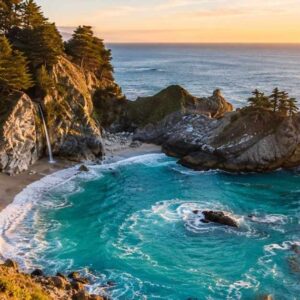
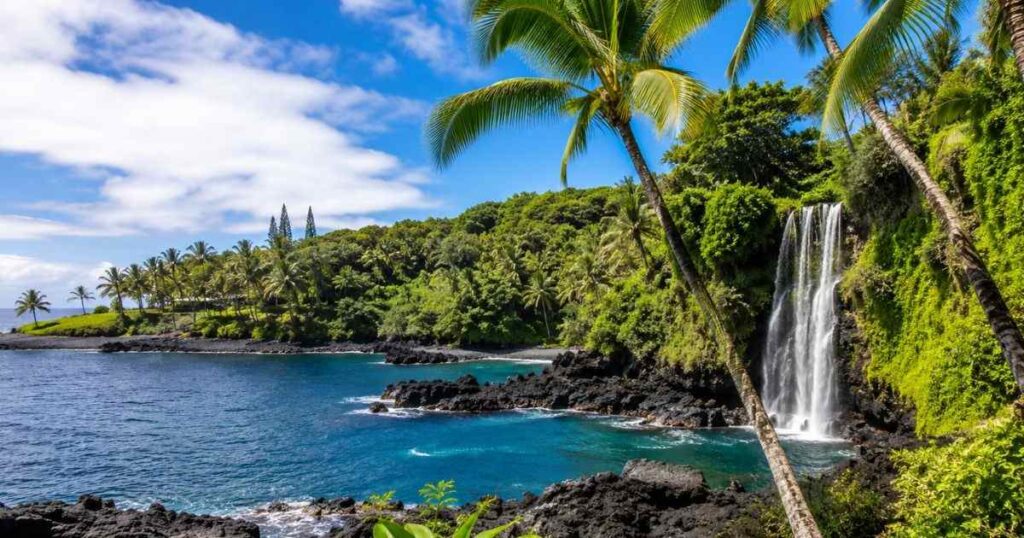
Most Big Island visitors fly into Kona and never reach Hilo and they miss the wetter, greener and significantly cheaper half of the island entirely. Things to do in Hilo Hawaii cover a 442-foot waterfall reachable in 20 minutes from downtown, the world’s most active volcano 45 km away, a farmers market that runs twice a week at the corner of Mamo Street and Kamehameha Avenue and the largest Edo-style Japanese garden outside Japan sitting free on the bay. This guide covers every major activity with January 2026 verified entry fees, honest timing advice and the three spots near Hilo that organized tours skip entirely.
In this guide you will find:
- January 2026 verified entry fees for Rainbow Falls, Akaka Falls and Hawaii Volcanoes National Park
- The exact Hilo Farmers Market schedule which days it runs and what the Saturday version offers over Wednesday
- Why Liliuokalani Gardens is the best free things to do in Hilo Hawaii that most tours skip
- How far Punalu’u Black Sand Beach sits from Hilo and why it pairs best with a Volcanoes day
- The best months to visit Hilo for waterfalls versus dry hiking conditions
Quick Info Box
| Detail | Info |
| Location | Hilo, Hawaii County — Big Island east coast |
| Nearest Airport | Hilo International Airport (ITO) — 4 km from downtown |
| Best Time to Visit | April–June and September–October |
| Distance to Volcanoes NP | 45 km / ~45 minutes from Hilo center |
| Days Recommended | 3–4 full days to cover Hilo and surrounding areas |
| Average Daily Cost | $150–$280 per person including food, transport and entries |
Things to Do in Hilo Hawaii: Waterfalls and State Parks
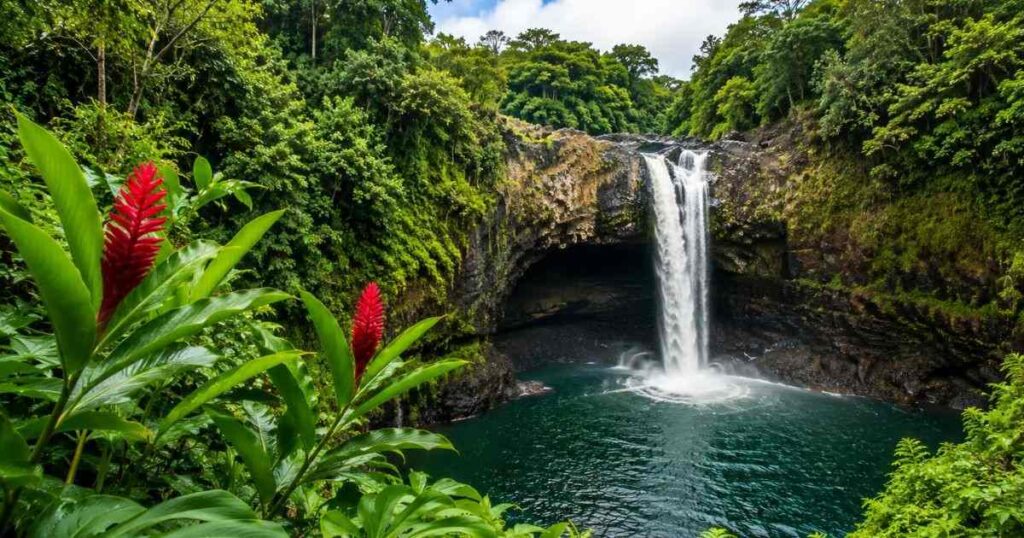
The two most accessible things to do in Hilo Hawaii both involve waterfalls within 30 km of downtown and both now carry entry fees introduced or updated in January 2026.
Rainbow Falls (Waianuenue) sits inside Hilo town, 3 km from the harbor. As of January 2026, Wailuku River State Park charges $5 per person plus $10 per vehicle, approximately $22 total for two people including taxes, paid via QR code on-site. The falls drop 80 feet over a lava cave that Hawaiian legend ties to Hina, goddess of the moon. The main overlook sits less than 100 feet from the parking lot, the most accessible waterfall on the Big Island. Arrive before 09:00 on a sunny morning to catch the rainbow that forms in the spray by 10:00 direct light fades and the effect disappears. The parking lot holds roughly 20 cars and fills on weekend mornings.
Akaka Falls State Park sits 23 km north of Hilo on the Hamakua Coast, a 25-minute drive. Entry costs $5 per person plus $10 per vehicle, matching the Rainbow Falls fee structure. The loop trail covers 0.4 miles through tree fern and bamboo forest, passing Kahuna Falls (100 feet) before reaching Akaka Falls at 442 feet one of Hawaii’s tallest free-falling waterfalls. The loop takes 20–30 minutes at a relaxed pace on a paved path. Most visitors don’t realize that the Akaka Falls trail is entirely paved and wheelchair accessible, it is the only major waterfall hike on the Big Island that requires no special footwear.
Pro Tip: Pay at Rainbow Falls first your receipt does not cover Akaka Falls since they are different state parks. Budget $44 total per couple for both waterfall entries on the same day, plus the individual parking fees.
Things to Do in Hilo Hawaii: Free Sites and the Farmers Market
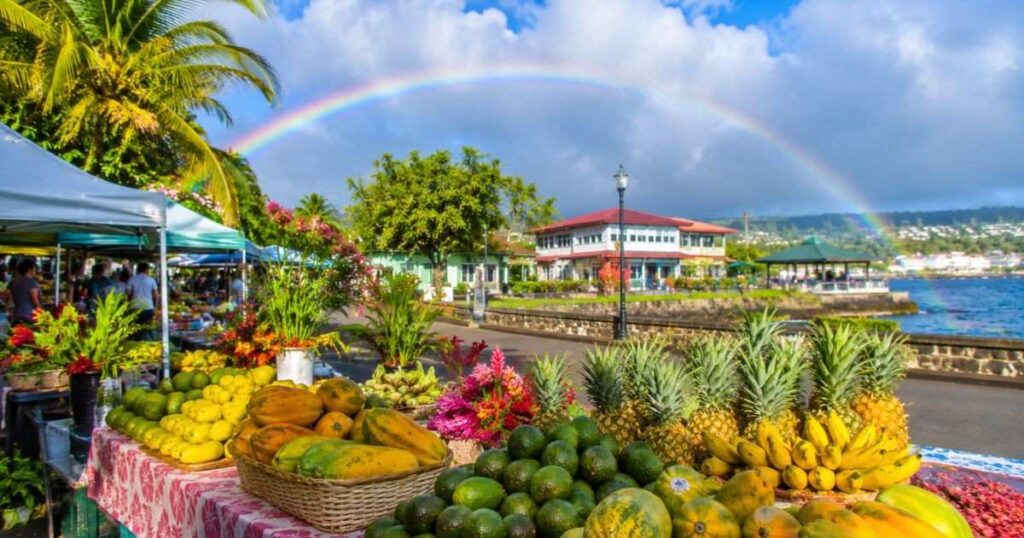
Not all the best things to do in Hilo Hawaii cost money. Two free sites in town consistently outperform paid alternatives for first-time visitors.
Liliuokalani Gardens occupies 30 acres on Hilo Bay, a formal Japanese garden with stone lanterns, koi ponds, arched bridges and a traditional tea house donated by the Japanese immigrant community in the early 1900s. Entry is free, parking at the adjacent lot is free and the garden stays open from sunrise to sunset daily. It holds the title of largest Edo-style Japanese garden outside Japan. Most organized tours from Hilo pass it by in favor of longer paid stops, only visitors who plan independently walk the full grounds at their own pace. Allow 45–60 minutes.
Hilo Farmers Market runs at the corner of Mamo Street and Kamehameha Avenue. Wednesday market: smaller, 30–40 vendors, primarily produce and local food items. Saturday market: 200+ vendors covering produce, crafts, macadamia products, live aloha shirts, fresh poke and tropical fruit that does not exist in mainland supermarkets rambutan, lilikoi, dragonfruit and soursop all appear regularly. Both markets run from approximately 06:00 to 16:00 and entry is free. A full breakfast from market vendors fresh papaya, a banana bread loaf and a poke bowl costs $12–$18 per person.
Downtown Hilo itself runs along Kamehameha Avenue with plantation-era buildings dating to the 1920s. Big Island Candies at 585 Hinano Street offers free samples of their macadamia nut shortbread cookies the shop has been operating since 1977 and remains genuinely popular with locals, not just tourists.
Verdict: Saturday in Hilo means the farmers market first at 07:00, Liliuokalani Gardens by 09:00 and Rainbow Falls at 10:00 this sequence costs under $25 per person for the full morning.
Things to Do in Hilo Hawaii: Day Trips to Volcanoes and Black Sand Beach
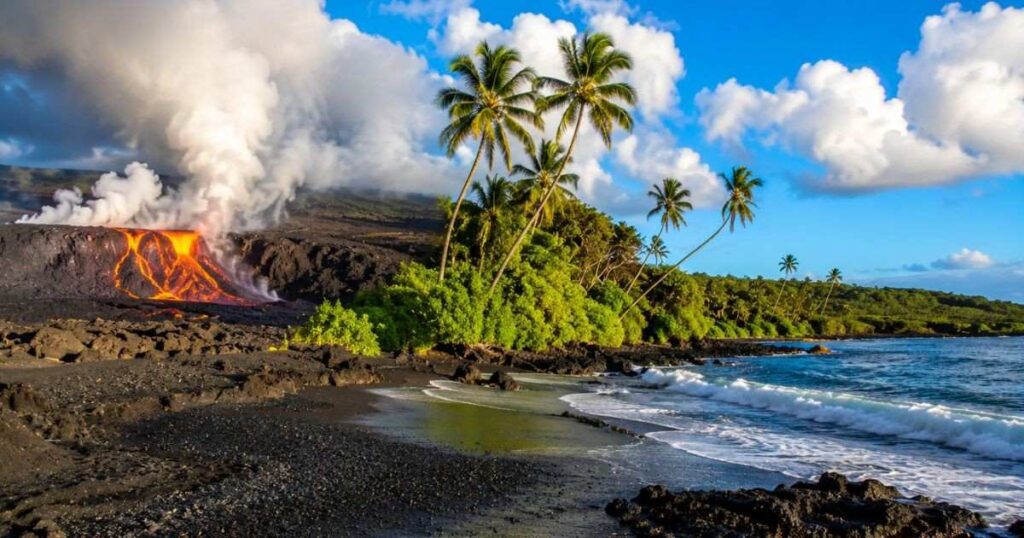
The two strongest day trips from Hilo both run south on Highway 11 and can be combined into a single full day.
Hawaii Volcanoes National Park sits 45 km from Hilo center approximately 45 minutes by car. Entry costs $30 per vehicle (7-day pass), $15 per pedestrian or cyclist, credit and debit card only cash is not accepted at the entrance station. The park holds Kīlauea, one of the world’s most continuously active volcanoes. Key stops: the Kīlauea Visitor Center (free exhibits), Halemaʻumaʻu Crater overlook (1.6-mile Crater Rim Trail, free), Thurston Lava Tube (a 500-year-old lava tube walk, 20 minutes, free with park entry) and the Chain of Craters Road descending 3,700 feet to the coast over 20 miles of hardened lava fields.
Punalu’u Black Sand Beach lies 55 km from Hilo 55 minutes south on Highway 11, 10 km past the Volcanoes park entrance. Entry and parking are free. The beach holds a resident population of Hawaiian green sea turtles (honu) that haul out on the black sand daily. Swimming is not recommended due to strong currents but the turtle sightings happen reliably between 09:00 and 14:00. Most organized tours from Kona include Punalu’u visitors based in Hilo reach it faster and with less traffic.
Most visitors doing the Volcanoes day trip from Hilo skip Punalu’u because they underestimate the time. The correct sequence: leave Hilo at 08:00, reach Volcanoes by 09:00, spend 3 hours in the park, drive 10 minutes south to Punalu’u for lunch and turtles and return to Hilo by 15:00.
Pro Tip: The America the Beautiful Annual Pass costs $80 and covers Hawaii Volcanoes entry for one full year plus all other US national parks. If you visit any other national park in the same year, the pass pays for itself on the second visit.
Practical Tips for Things to Do in Hilo Hawaii
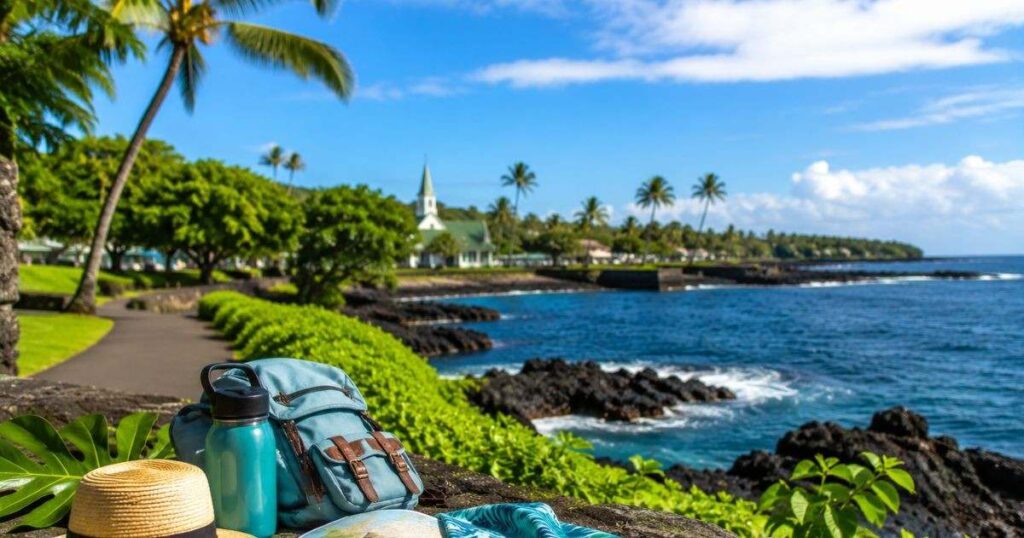
Three planning details about things to do in Hilo Hawaii catch first-time visitors off guard every season. First, Hilo requires a rental car for everything beyond the town center. Rainbow Falls sits 3 km from downtown and is walkable. Akaka Falls, Hawaii Volcanoes and Punalu’u require driving. Car rental at Hilo Airport costs $55–$85 per day in shoulder season. Book the rental before flights. Hilo Airport’s rental inventory is small and sells out 2–3 weeks ahead in summer.
Second, Hilo receives more annual rainfall than any other US city 126 inches per year on average. Rain falls in short, intense bursts rather than all-day drizzle. Carrying a compact rain jacket is essential gear for things to do in Hilo Hawaii year-round and waterfall visits actually improve after rain as water volume increases. The wettest months are November through January. April through June delivers the most stable dry spells of the year.
Third, food in Hilo costs 20–30% less than Kona or Maui resort areas. A plate lunch (two scoops of rice, macaroni salad and an entree) at Café 100 on Kilauea Avenue runs $8–$12. Café 100 invented the Loco Moco in 1949 rice, hamburger patty, fried egg and gravy and still serves the original version for $4.50. Most visitors staying in Kona never eat a real plate lunch. Staying in Hilo puts you where local food culture actually operates.
Pro Tip: Fill your rental car at the Costco in Hilo (340 E Makaala Street) fuel runs $0.25–$0.40 per gallon cheaper than highway gas stations between Hilo and Volcanoes National Park.
“Planning more Hawaii day trips? Our guides on things to do maui , red sand beach maui and lulumahu falls cover the rest of the region in detail.”
Frequently Asked Questions
How many days do you need for things to do in Hilo Hawaii?
Three to four full days covers all the main things to do in Hilo Hawaii without rushing. Day one covers Rainbow Falls, Liliuokalani Gardens and the farmers market. Day two covers Akaka Falls and the Hamakua Coast. Day three covers Hawaii Volcanoes National Park and Punalu’u Black Sand Beach. A fourth day allows Hilo’s downtown, Big Island Candies and a drive up Saddle Road toward Mauna Kea. Two days works as a minimum if you prioritize Volcanoes and the waterfalls.
Is Hilo worth visiting on the Big Island?
Hilo is worth visiting as a base for the Big Island’s east side, it gives direct access to Hawaii Volcanoes National Park, two major state park waterfalls and a farmers market that ranks as one of the best in Hawaii. Accommodation costs run 30–40% below Kona for equivalent quality. The main trade-off is whether Hilo receives 126 inches of rain per year versus roughly 10 inches on Kona’s leeward coast. Visitors who want consistent sunshine choose Kona, those who prioritize waterfalls, volcanoes and local culture choose Hilo.
What is the best time for things to do in Hilo Hawaii?
April through June and September through October are the strongest months for things to do in Hilo Hawaii. April and May deliver drier conditions than winter with full waterfall flow from spring rains. September and October bring reduced visitor numbers after summer peaks and stable morning weather windows for Volcanoes National Park. November through January brings the heaviest rainfall and occasional trail closures at state parks. Summer (July–August) works but brings the highest accommodation prices and the most cruise ship traffic at Hilo Harbor.
Is Hilo expensive for tourists?
Hilo runs significantly cheaper than Kona and Maui. A plate lunch costs $8–$12, farmers market breakfast runs $12–$18 and accommodation in Hilo averages $120–$200 per night for mid-range hotels versus $250–$400 in Kona resort areas. Entry fees for the main things to do in Hilo Hawaii total $44 per couple for Rainbow Falls and Akaka Falls combined, plus $30 per vehicle for Hawaii Volcanoes. A couple spending three days in Hilo manages a complete trip for $600–$900 total excluding flights and car rental.
Is Hilo or Kona better for a Big Island trip?
Hilo and Kona suit different travel priorities. Kona gives you consistent sunshine, snorkeling at Kealakekua Bay and resort infrastructure along the Kohala Coast. Hilo gives you Hawaii Volcanoes National Park 45 minutes away, two state park waterfalls on the same day, the best farmers market on the Big Island and 30–40% lower daily costs. Visitors planning things to do in Hilo Hawaii on a budget will find it outperforms every other Big Island base. Visitors who split their Big Island trip 3 nights Hilo, 4 nights Kona cover the most ground. If forced to choose one base, Hilo wins on activity density for the things to do in Hilo Hawaii that define the Big Island experience.
Conclusion
No other town in Hawaii puts you this close to this much variety, a volcano, two record-height waterfalls, a free Japanese garden and the best farmers market in the state, all within 45 km. The things to do in Hilo Hawaii work for every budget and every schedule and the costs stay manageable compared to every other Hawaiian destination. Drive to Hawaii Volcanoes National Park on a clear morning in May, arrive at the Kīlauea Visitor Center by 09:00, walk the full Crater Rim Trail before tour buses arrive at 10:30 and stand at the Halemaʻumaʻu overlook when the steam rises from the caldera floor that view, 45 minutes from Hilo, costs $30 and lasts the rest of your life.